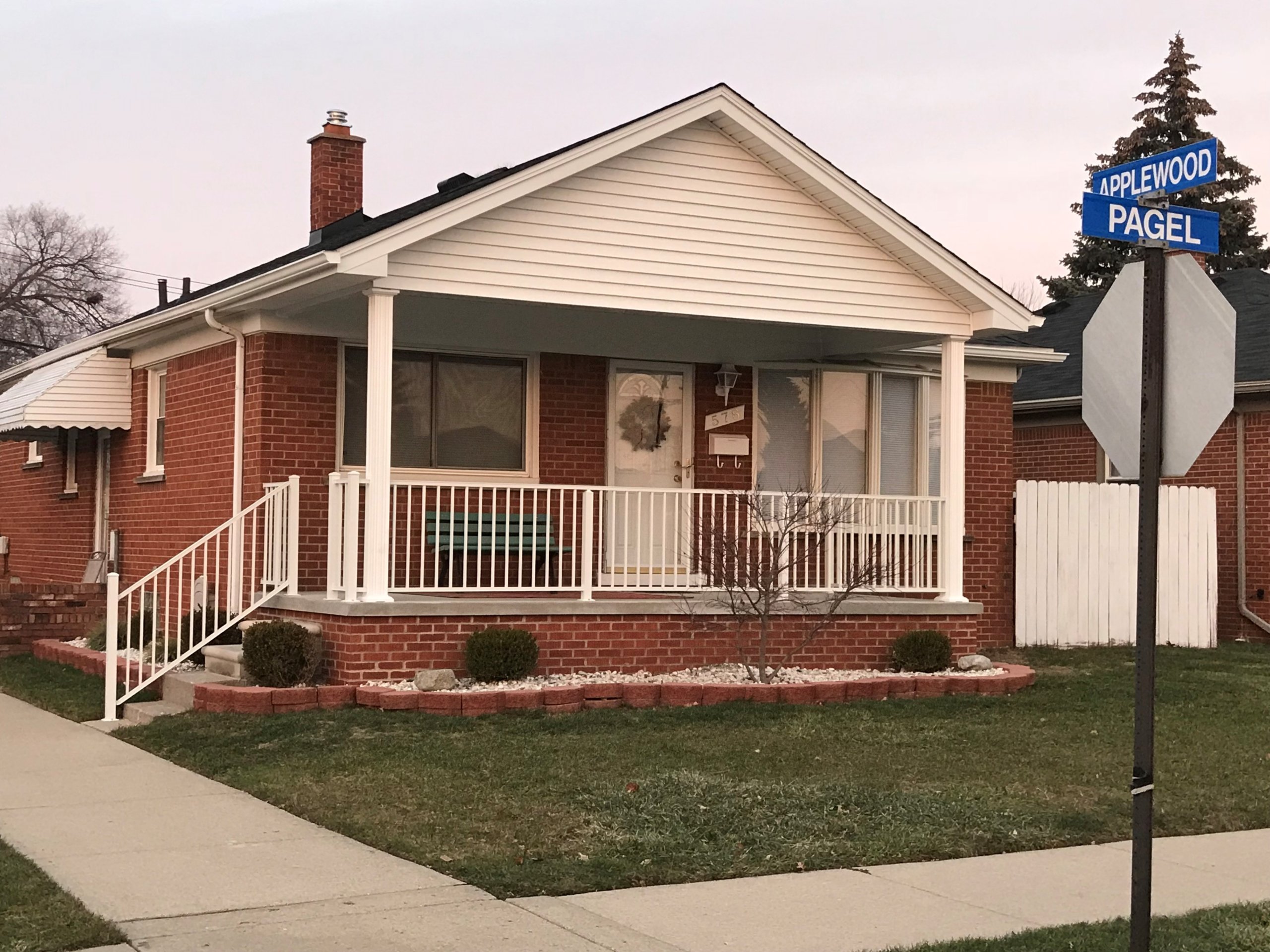
If you’ve been researching flat or low-slope roofing, you’ve probably come across the term TPO.
But what does it actually mean — and is it right for your Michigan property?
TPO roofing is commonly used on:
- Commercial buildings
- Apartment complexes
- Retail centers
- Garages
- Additions
- Low-slope residential roofs
This guide explains:
- What TPO stands for
- How it works
- Why it’s used
- Pros and cons
- Cost expectations in Michigan
- How it compares to other flat roofing systems
If you’re evaluating a flat roof repair or replacement:
👉 Schedule a free inspection:
https://allpointconstructionmi.com/contact-us/
What Does TPO Stand For?
TPO stands for Thermoplastic Polyolefin.
It’s a single-ply roofing membrane made from a blend of rubber and reinforcing fillers.
Unlike traditional asphalt shingles (used on steep-slope roofs), TPO is designed specifically for flat or low-slope systems.
Where TPO Roofing Is Used
In Michigan, TPO is commonly installed on:
- Commercial buildings
- Office buildings
- Warehouses
- Churches
- Residential additions
- Porch roofs
- Garage flat sections
If you have a flat or low-slope roof, asphalt shingles usually aren’t the right solution.
Flat roofing overview:
👉 https://allpointconstructionmi.com/what-is-bur-or-built-up-roofing/
How TPO Roofing Works
TPO membranes are:
- Heat-welded at the seams
- Installed over insulation boards
- Mechanically attached or fully adhered
- Designed to create a waterproof barrier
The heat-welded seams are one of TPO’s biggest advantages — when installed correctly, they create a strong bond.
Improper installation, however, can lead to seam failure.
Spotting poor installation:
👉 https://allpointconstructionmi.com/a-guide-to-spotting-a-poorly-installed-roof/
Why TPO Is Popular in Michigan
TPO has become common because it offers:
✔ Energy efficiency (reflective surface)
✔ Lightweight design
✔ UV resistance
✔ Relatively fast installation
✔ Competitive pricing
In Michigan summers, reflective roofing can help reduce heat absorption.
In winter, proper installation and insulation underneath are critical to prevent condensation issues.
Ventilation matters even with flat roofs:
👉 https://allpointconstructionmi.com/why-proper-roofing-ventilation-is-so-important/
TPO vs Other Flat Roofing Systems
TPO vs BUR (Built-Up Roofing)
BUR is a traditional multi-layer asphalt system.
Comparison:
- BUR: thicker, layered system
- TPO: single-ply membrane
- BUR: heavier
- TPO: lighter
- BUR: often longer install time
- TPO: faster install
BUR overview:
👉 https://allpointconstructionmi.com/what-is-bur-or-built-up-roofing/
TPO vs EPDM (Rubber Roofing)
EPDM is another single-ply membrane made from synthetic rubber.
Differences:
- EPDM is typically black
- TPO is typically white or reflective
- TPO seams are heat-welded
- EPDM seams are adhesive-based
In Michigan, both can work — but application matters.
Common TPO Roofing Problems
Like any roofing system, TPO can develop issues if:
- Seams are poorly welded
- Insulation shifts
- Drainage is improper
- Installation shortcuts were taken
Signs of trouble include:
- Bubbling
- Seam separation
- Ponding water
- Interior leaks
- Soft insulation areas
Flat roof leak guide:
👉 https://allpointconstructionmi.com/expert-roof-leak-repair-in-michigan-what-you-need-to-know/
TPO Roofing Costs in Michigan
TPO installation typically ranges:
$7 – $12 per square foot
Depending on:
- Roof size
- Tear-off vs overlay
- Insulation thickness
- Drainage improvements
- Access and height
Flat roof repairs vary based on seam repair vs insulation replacement.
For accurate pricing, inspection is essential.
👉 Request a flat roof evaluation:
https://allpointconstructionmi.com/contact-us/
Repair or Replace a TPO Roof?
Sometimes TPO systems can be repaired.
Other times, seam failures or trapped moisture make replacement smarter.
Repair vs replacement decision guide:
👉 https://allpointconstructionmi.com/repairs-or-replacements-how-to-tell-what-your-roof-needs/
Replacement planning:
👉 https://allpointconstructionmi.com/things-to-consider-when-replacing-a-roof/
Does Insurance Cover TPO Roof Damage?
If damage was caused by:
✔ Storm impact
✔ Wind damage
✔ Falling debris
Insurance may apply.
Insurance guide:
👉 https://allpointconstructionmi.com/does-home-owners-insurance-cover-roof-leaks/
Storm damage signs:
👉 https://allpointconstructionmi.com/roof-storm-damage-and-its-easy-to-miss-signs/
Is TPO Right for Your Property?
TPO can be an excellent option for:
- Commercial properties
- Large flat surfaces
- Additions and garages
- Budget-conscious flat roof replacements
But proper installation is critical.
Choosing a roofing company:
👉 https://allpointconstructionmi.com/what-to-consider-before-choosing-a-roofing-company-for-your-property/
When to Schedule a Flat Roof Inspection
You should schedule an inspection if:
- Water is ponding
- Seams look separated
- Interior leaks appear
- Insulation feels soft
- The membrane is aging
- A recent storm passed through
AllPoint Construction inspects flat roofing systems and provides clear recommendations — without pressure.
📅 Schedule a free flat roof inspection:
👉 https://allpointconstructionmi.com/contact-us/
Roofing services overview:
👉 https://allpointconstructionmi.com/services/roofing/
FAQ: TPO Roofing in Michigan
How long does a TPO roof last?
Typically 15–25 years depending on installation quality and maintenance.
Can TPO be installed over an existing flat roof?
Sometimes — but moisture and structural condition must be evaluated first.
Is TPO good for snow?
Yes, when properly installed with correct drainage and insulation.
Does TPO require maintenance?
Yes — periodic inspection of seams and drains is recommended.