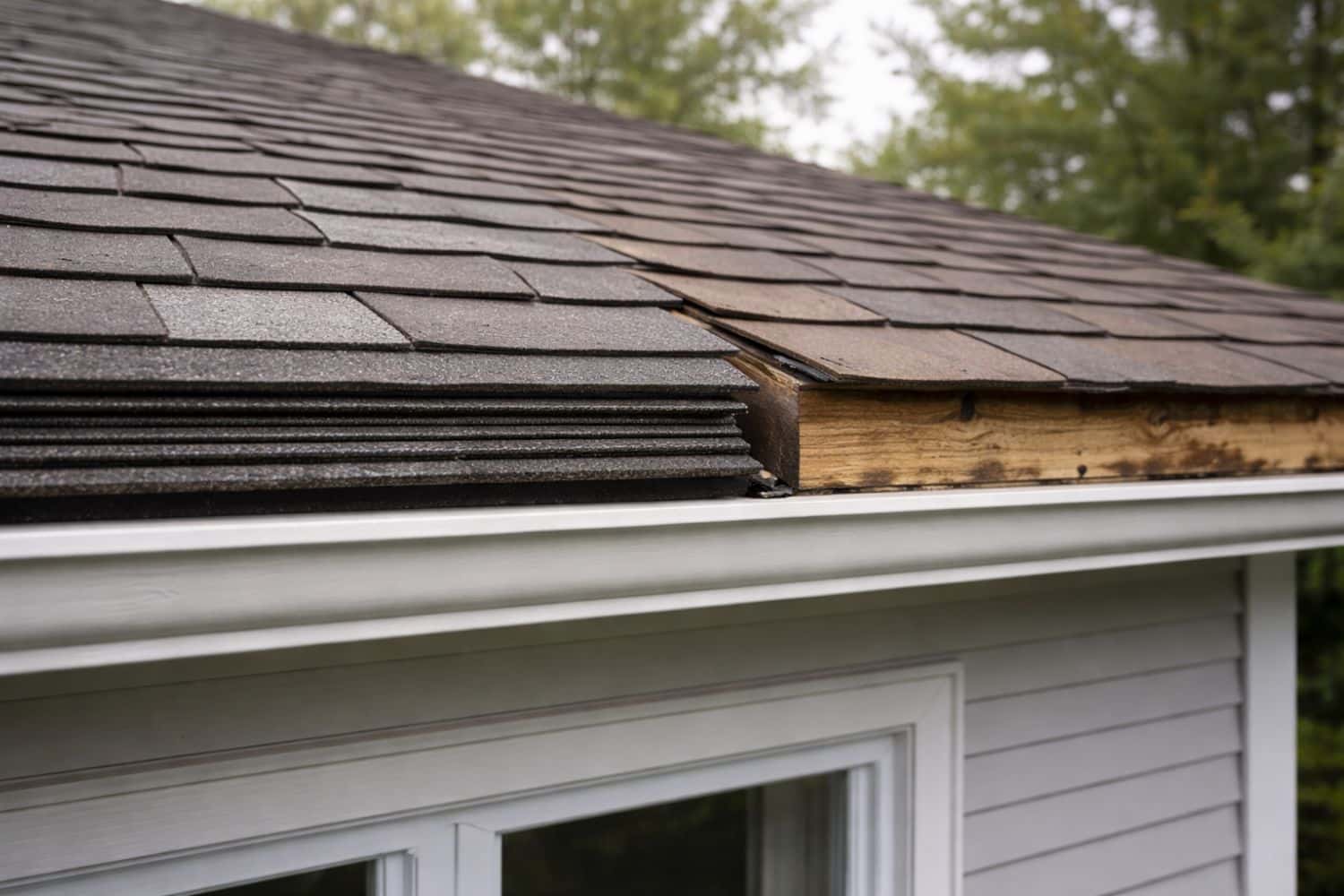
“Re-roofing” often sounds like a full roof replacement — but in most cases, it means installing new shingles over an existing layer rather than removing the old roof first.
In Michigan, re-roofing can be allowed under certain conditions, but it isn’t always the smartest long-term choice. In fact, choosing re-roofing when a tear-off is needed can lead to hidden damage, shortened roof lifespan, and warranty or insurance issues.
Here’s what re-roofing really means, when it’s acceptable, and when a full tear-off replacement is the better investment. For a broader overview of proper roofing systems and installation standards, visit our roofing services hub.
What Is Re-Roofing?
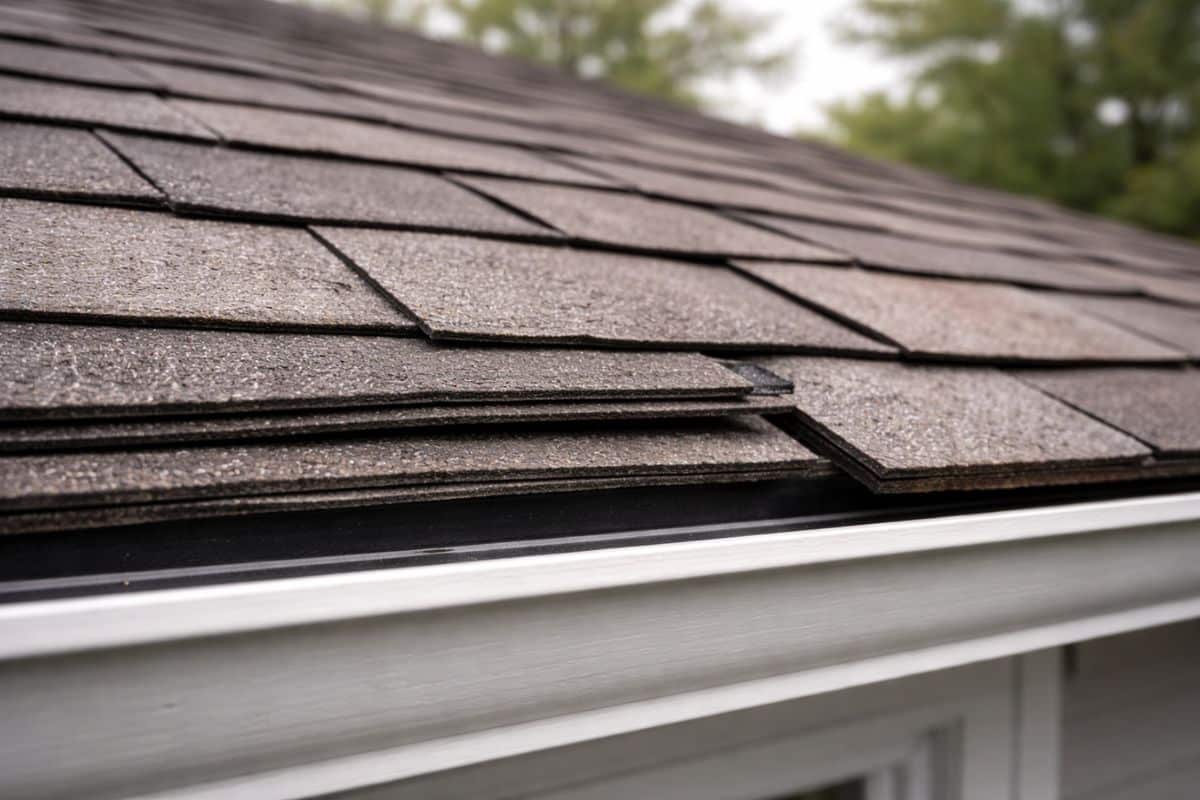
Re-roofing is the process of installing a new layer of shingles directly over an existing shingle roof, without removing the old materials down to the decking.
This approach:
- Skips tear-off labor
- Reduces disposal costs
- Shortens installation time
However, it also means the condition of what’s underneath remains largely unknown — which is where problems often begin. If you’re unfamiliar with what lies beneath shingles, this guide on roof sheathing thickness and decking condition provides helpful context.
Re-Roofing vs Roof Replacement: Key Differences
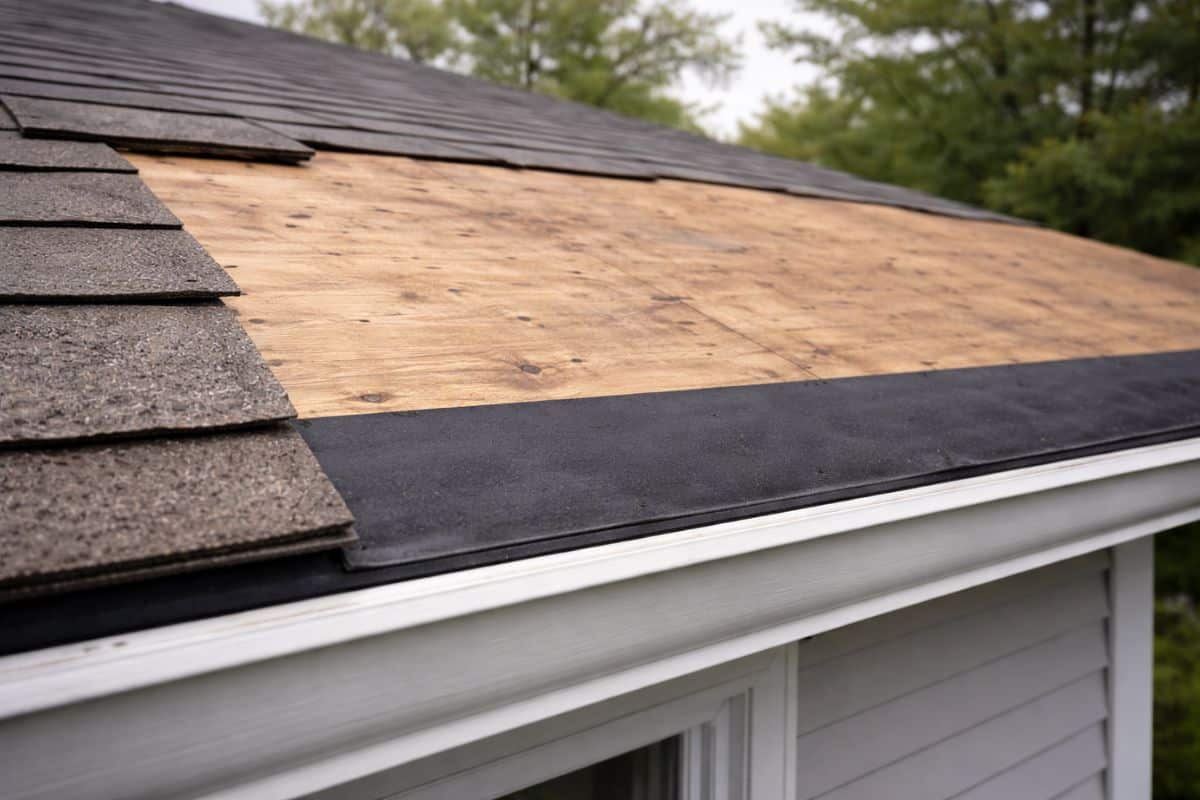
Re-Roofing (Overlay)
- New shingles installed over existing shingles
- Lower upfront cost
- Faster installation
- No opportunity to inspect decking
- Limited lifespan extension
Full Roof Replacement (Tear-Off)
- Old shingles completely removed
- Decking fully inspected and repaired if needed
- Proper underlayment and flashing installed
- Longer roof lifespan
- Stronger warranty and insurance protection
If you’re weighing these options, our roof replacement services page explains what a tear-off involves and what homeowners can expect.
The right option depends on roof condition — not just budget.
When Re-Roofing May Be Acceptable
Re-roofing is sometimes allowed if all of the following are true:
- There is only one existing layer of shingles
- The roof surface is flat and even
- Decking is in excellent condition
- No leaks or moisture issues are present
- Local building codes permit it
Even when allowed, many contractors still recommend a tear-off once homeowners understand the long-term tradeoffs.
When Re-Roofing Is Not Allowed
Re-roofing is typically not permitted when:
- The roof already has two layers of shingles
- Decking shows signs of rot, sagging, or moisture damage
- There are ventilation or structural issues
- Storm or hail damage is involved
- The roof fails local building code requirements
Installing a third layer is almost always prohibited and will usually fail inspection. If storms played a role, review storm damage roof repairs and inspections.
Why Re-Roofing Can Create Hidden Problems
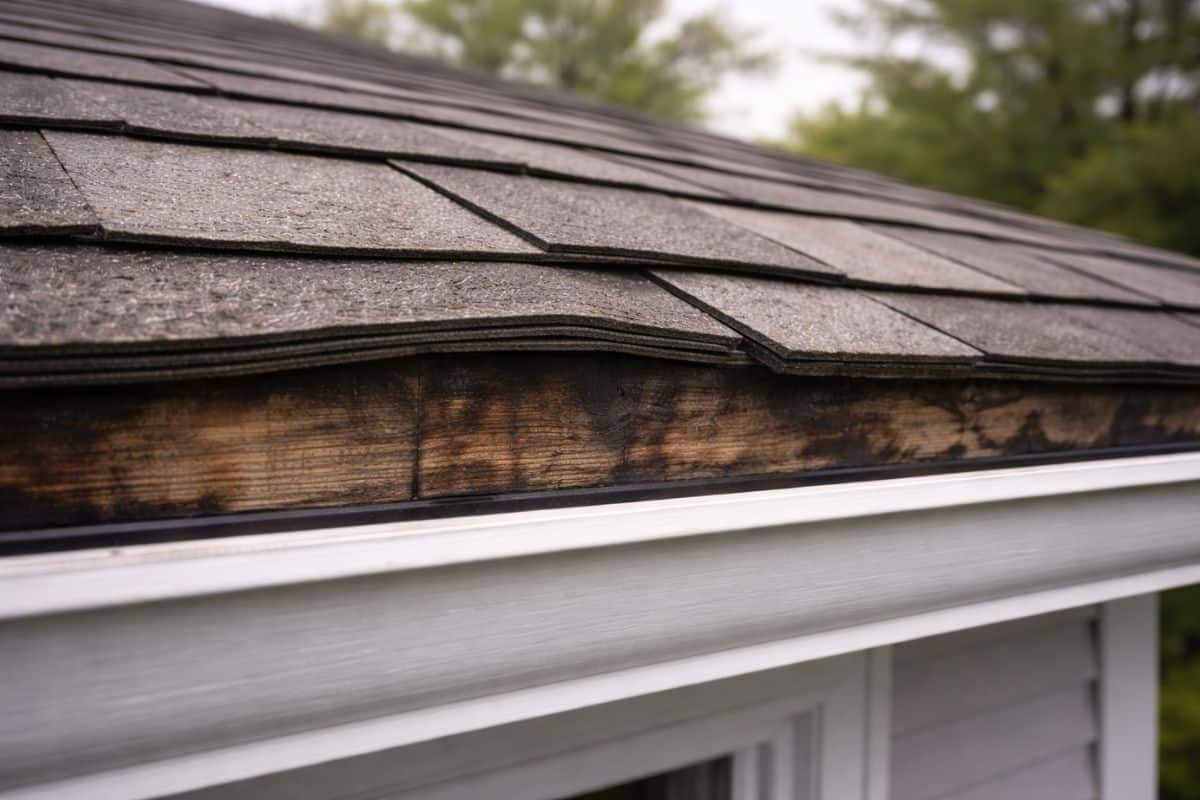
Because the old roof stays in place, re-roofing can:
- Hide rotted or soft decking
- Trap moisture between layers
- Increase roof weight and structural stress
- Make future repairs more difficult
- Shorten the lifespan of new shingles
Many homeowners don’t discover these issues until leaks appear. If leaks are already present, this guide on expert roof leak repair in Michigan may be helpful.
Cost vs Lifespan Comparison
Re-Roofing
- Lower upfront cost
- Shorter lifespan
- Higher risk of hidden issues
- Limited warranty coverage
Tear-Off Replacement
- Higher initial investment
- Longer lifespan
- Full system inspection and correction
- Better long-term value
While re-roofing may save money today, tear-off replacement often costs less over the life of the roof — especially in Michigan’s climate.
Warranty & Inspection Impacts
This is one of the most overlooked factors.
Warranty Considerations
- Many manufacturers reduce or void warranties on overlay installations
- Decking condition cannot be verified
- Improper ventilation beneath layers can invalidate coverage
Learn more about coverage limitations in things you should know about your roofing warranty.
Inspection & Insurance Issues
- Inspectors may flag layered roofs as higher risk
- Insurance claims may be reduced or denied
- Homes with multiple layers can face resale complications
If insurance is involved, these pages add clarity:
- Insurance repairs: https://allpointconstructionmi.com/services/insurance-repairs/
- How roof insurance claims work: https://allpointconstructionmi.com/services/insurance-repairs/claims/
How Michigan Weather Affects the Decision
Michigan’s climate makes re-roofing riskier than in milder regions.
Contributing factors include:
- Freeze-thaw cycles that stress layered systems
- Ice dams and snow loads
- Heavy rain and wind-driven moisture
- Temperature swings that accelerate shingle aging
Ventilation plays a major role here — review roof ventilation issues and impacts for deeper insight.
How a Professional Inspection Helps You Decide
Before committing to re-roofing or replacement, a professional inspection can determine:
- How many layers your roof has
- Whether decking is sound
- If ventilation is adequate
- What local codes allow
- Which option makes the most financial sense
Here’s what typically happens during an inspection:
https://allpointconstructionmi.com/what-happens-during-roof-inspections/
Considering Re-Roofing?
Before choosing an overlay, it’s important to know exactly what’s beneath your shingles.
AllPoint Construction will inspect your current roof layers and decking to confirm:
- What’s allowed by code
- What’s recommended long-term
- What protects your warranty and investment
📞 Call (734) 407-7110
📍 Serving Downriver & Metro Detroit — view our service areas (including Allen Park and nearby communities)
📅 Schedule your Free Roof Inspection via our Contact Us page