Roof flashing failures are one of the most common causes of hidden water damage in residential homes. While flashing issues may look minor at first, improperly installed or damaged flashing can quickly lead to mold, rotted decking, insulation damage, and interior leaks.
Understanding how roof flashing works — and why professional repairs matter more than temporary fixes — can help you prevent costly damage before it spreads. If you’re evaluating roof issues overall, start with our complete roofing services overview.
What Is Roof Flashing and Why Is It Important?
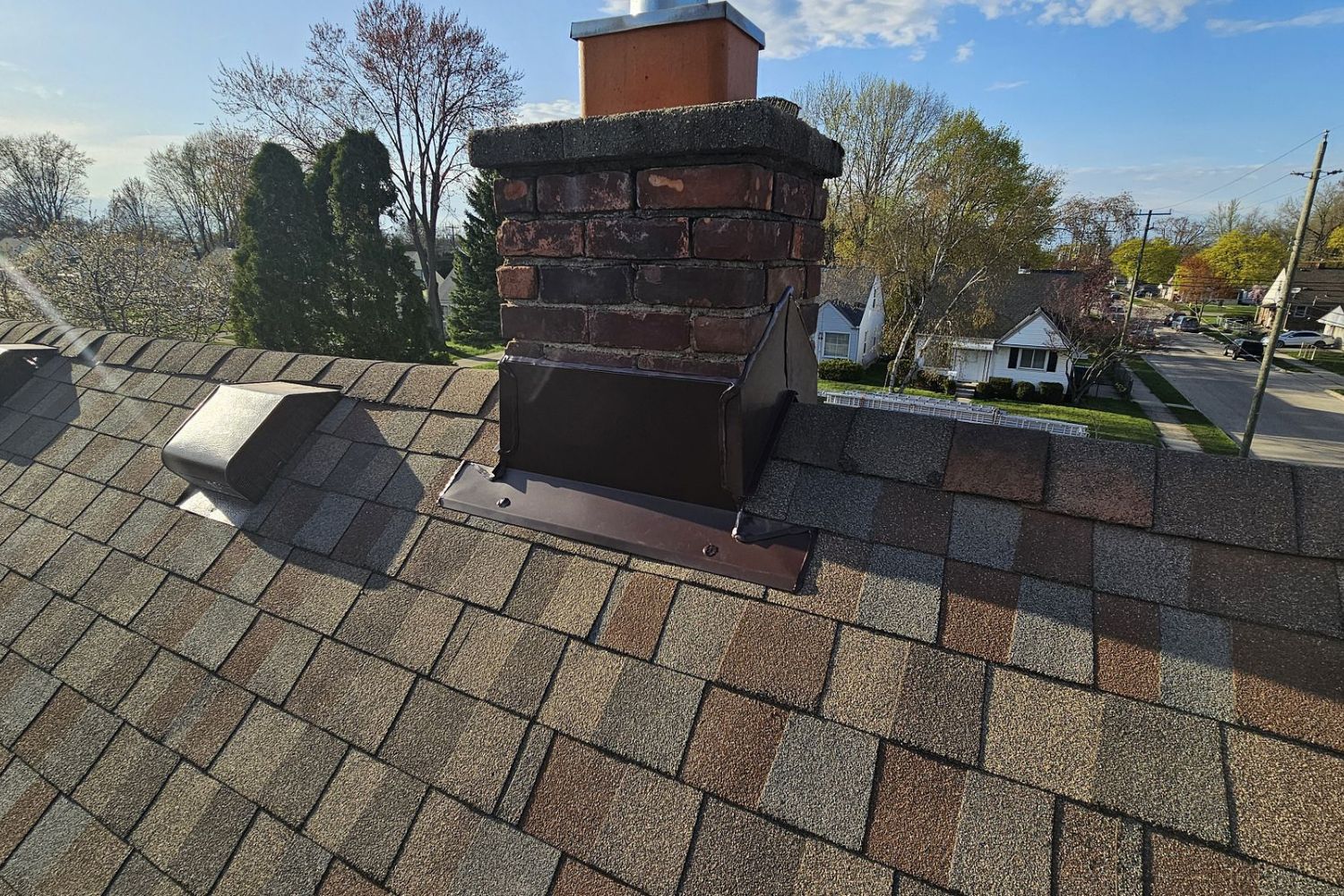
Roof flashing is thin metal material installed in vulnerable areas of your roof to direct water away from seams and openings.
Flashing is commonly found around:
- Chimneys
- Vents and pipes
- Skylights
- Roof valleys
- Dormers and wall intersections
When flashing fails, water can bypass shingles entirely and penetrate directly into the roof structure — often leading to issues that eventually require roof repair or replacement.
Common Signs of Roof Flashing Problems
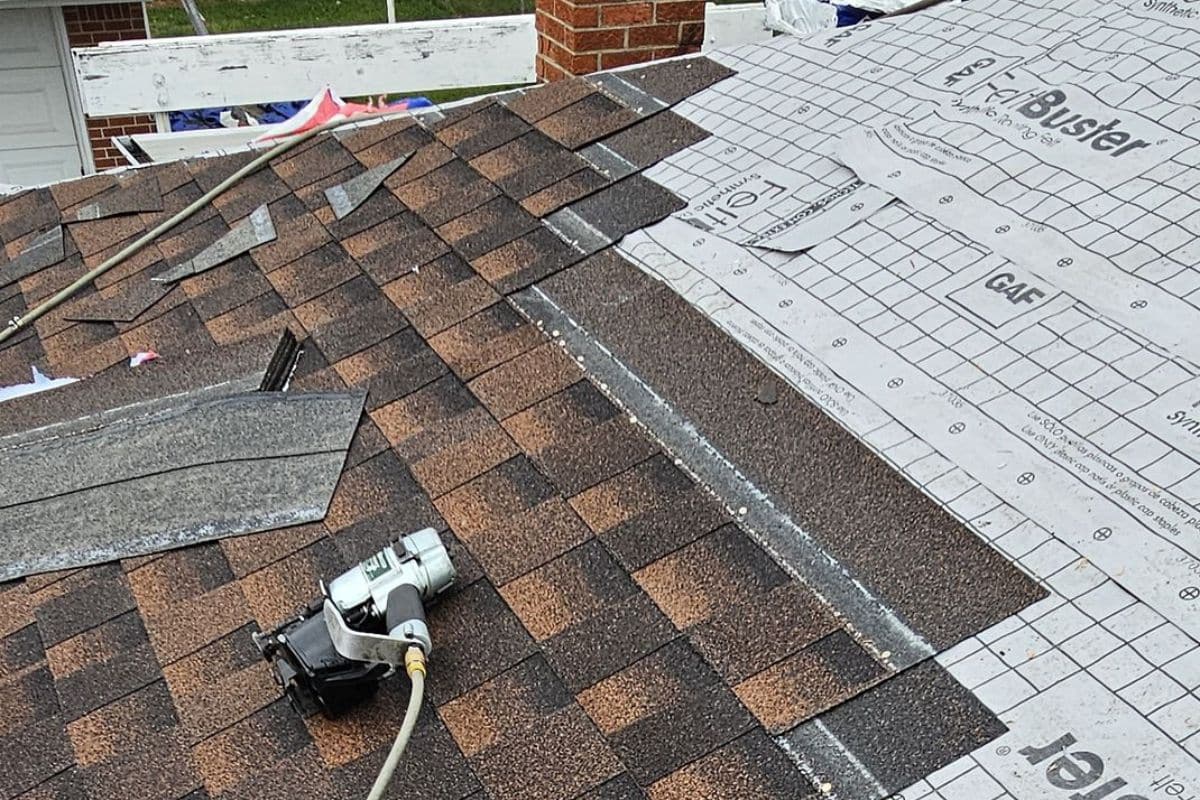
Some warning signs include:
- Water stains on ceilings or walls
- Leaks near chimneys or vents
- Loose or lifted flashing
- Rusted or cracked metal
- Missing sealant or exposed nails
- Damp insulation in the attic
If you’re seeing interior symptoms, this guide on expert roof leak repair in Michigan provides additional insight into how leaks progress.
What Causes Roof Flashing to Fail?
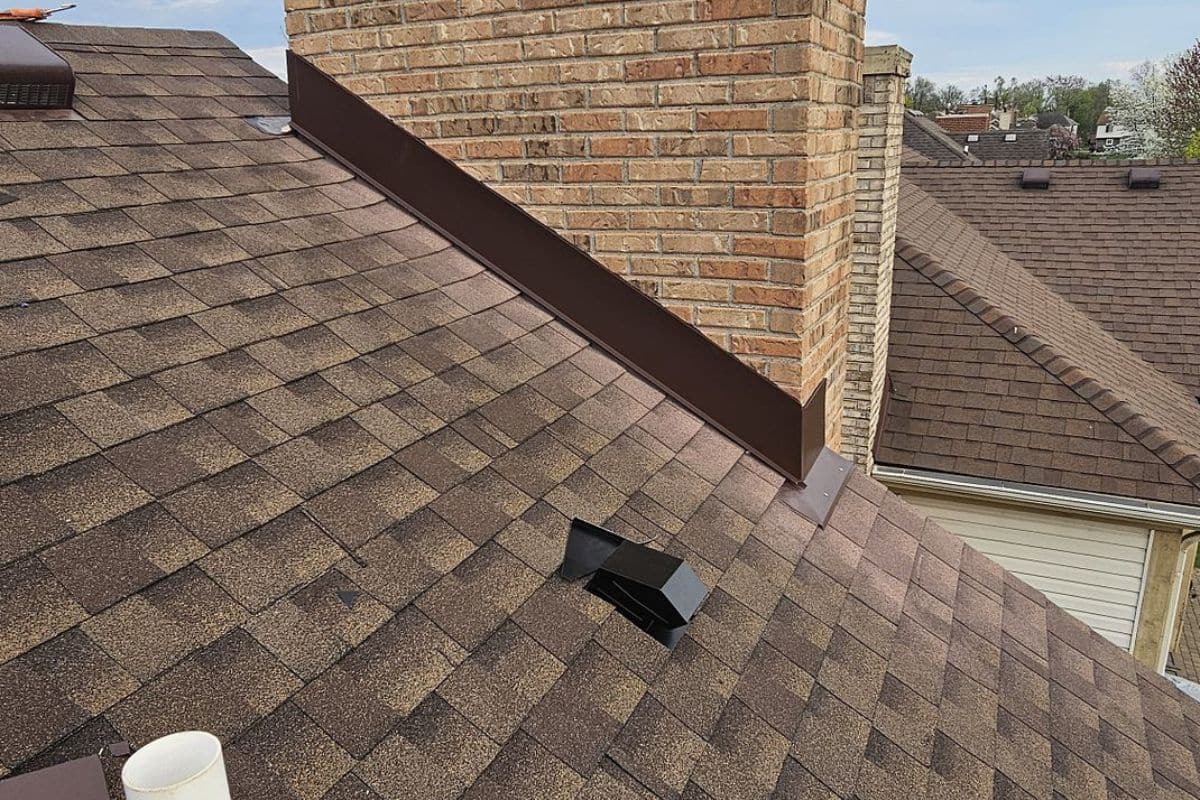
1. Age & Weather Exposure
Flashing wears down over time due to sun exposure, temperature changes, and moisture. In Michigan’s climate, freeze-thaw cycles accelerate deterioration — especially on older roofs.
2. Improper Installation
Incorrect overlap, poor sealing, or reused flashing from a previous roof can cause premature failure. Installation shortcuts are a common issue uncovered during roof inspections.
3. Storm Damage
High winds and hail can loosen or bend flashing, allowing water intrusion even when shingles appear intact.
If severe weather may be involved, review storm damage roof repairs and how hail damage impacts flashing systems.
4. Poor Roof Design or Ventilation
Improper slope, trapped moisture, or poor attic airflow can accelerate flashing deterioration. Ventilation problems often contribute to flashing failure over time.
For more detail, see why proper roofing ventilation is so important.
❗ Why DIY Flashing Repairs Often Fail
Flashing repairs are one of the most common DIY roofing mistakes.
Temporary fixes such as:
- Caulking over cracks
- Applying roofing cement
- Using tape or patch kits
may stop leaks briefly — but they rarely last.
DIY repairs often fail because they:
- Don’t address underlying installation issues
- Trap moisture beneath the flashing
- Break down under temperature changes
- Void roofing warranties
- Delay proper repairs until damage worsens
If warranty coverage matters to you, review things you should know about your roofing warranty before attempting DIY fixes.
How Contractors Seal Flashing Correctly
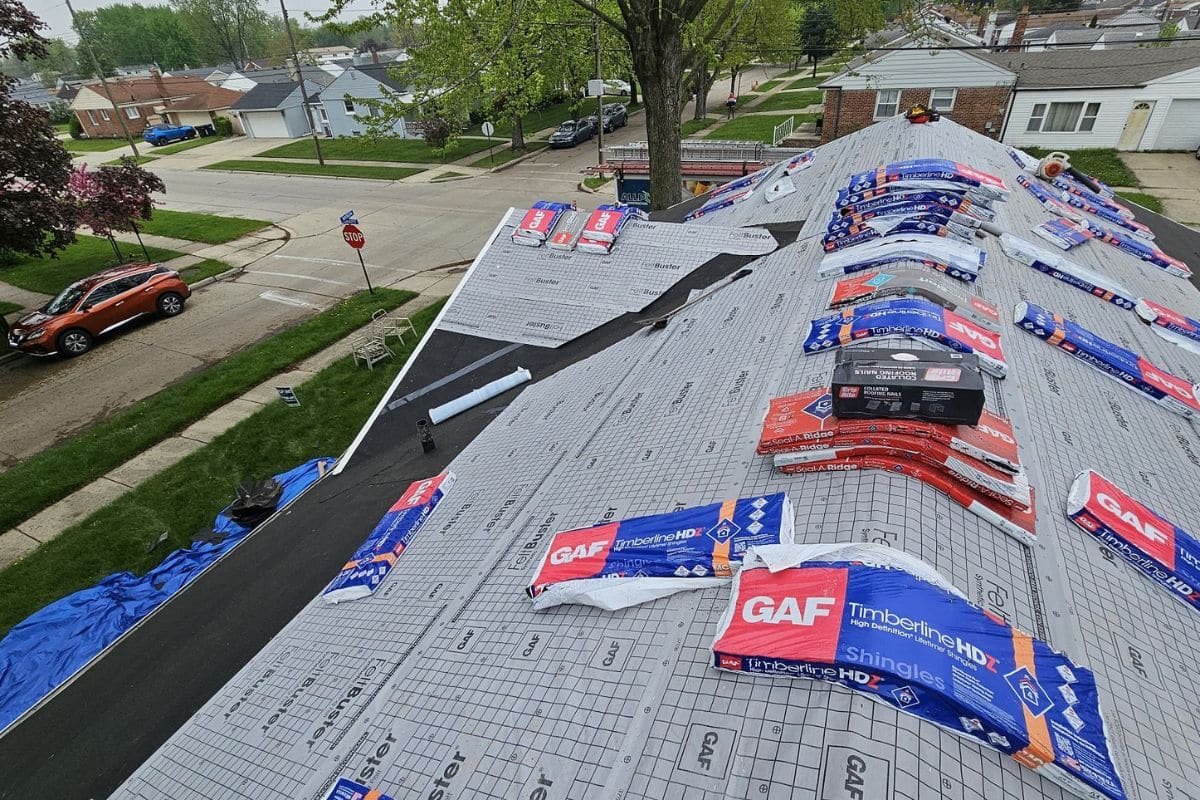
Professional roofing contractors take a system-based approach to flashing repair.
This includes:
- Removing damaged or improperly installed flashing
- Inspecting surrounding decking for moisture damage
- Installing new, code-compliant flashing
- Properly layering flashing with shingles and underlayment
- Sealing using manufacturer-approved materials
Correct flashing installation ensures water is directed away from vulnerable areas — not trapped behind them. In some cases, widespread flashing failure may point toward roof replacement being the better long-term solution.
When Flashing Problems Require Immediate Attention
You should schedule a professional inspection if:
- Leaks appear after heavy rain or snow
- Water stains are forming indoors
- Flashing is visibly loose or rusted
- Repairs have been attempted multiple times
- The roof is older or nearing replacement age
Ignoring flashing issues can allow water damage to spread silently for months — or even years — before it becomes visible.
Leaks Around Chimneys or Vents?
Flashing problems are rarely visible from the ground — but the damage they cause can be extensive if left unaddressed.
AllPoint Construction provides free professional roof inspections to identify flashing issues before they turn into major repairs.
We’ll:
- Inspect all flashing points
- Identify the source of leaks
- Recommend long-lasting repairs
- Help prevent future damage
📞 Call (734) 407-7110
📍 Serving Downriver & Metro Detroit — view our service areas (including Allen Park and nearby communities)
📅 Schedule your free inspection via our Contact Us page