Removing roofing shingles may look straightforward, but for many Michigan homeowners, it’s where DIY projects quickly turn risky. From hidden rot and improper disposal to safety hazards and code issues, shingle removal is often more complicated than it appears.
In this guide, we’ll explain how shingle removal works, what to watch for, and when hiring a professional roofing contractor can save you time, money, and serious headaches. If you’re planning a bigger project, explore our full roofing services for Michigan homeowners.
Can You Remove Roofing Shingles Yourself?
Yes — in some situations, homeowners can remove roofing shingles themselves. However, shingle removal is physically demanding, potentially dangerous, and often reveals problems that require professional roof repair.
Before starting, it’s important to understand:
- Your roof’s pitch and height
- The number of existing shingle layers (see: how many roofing layers a roof can have)
- Whether your roof decking is structurally sound
- Local building code requirements in Michigan
Many homeowners begin with DIY removal and later discover issues that force them to pause the project or call a contractor mid-job.
Tools Needed to Remove Roofing Shingles
If you plan to remove shingles yourself, you’ll typically need:
- Roofing shovel or pry bar
- Hammer or nail puller
- Utility knife
- Safety harness and roof anchors
- Work gloves and eye protection
- Dumpster or debris trailer
⚠️ Safety Note: Falls from roofs are one of the leading causes of home-improvement injuries. Steep roofs, wet surfaces, and hidden soft spots increase the risk significantly.
Step-by-Step: How Roofing Shingles Are Removed
1. Protect the Area Below
Cover landscaping and position a dumpster close to the home. Shingles, nails, and debris fall fast and unpredictably.
2. Start at the Roof Peak
Begin removing shingles at the ridge and work downward. This allows gravity to assist and prevents shingles from sliding underneath remaining layers.
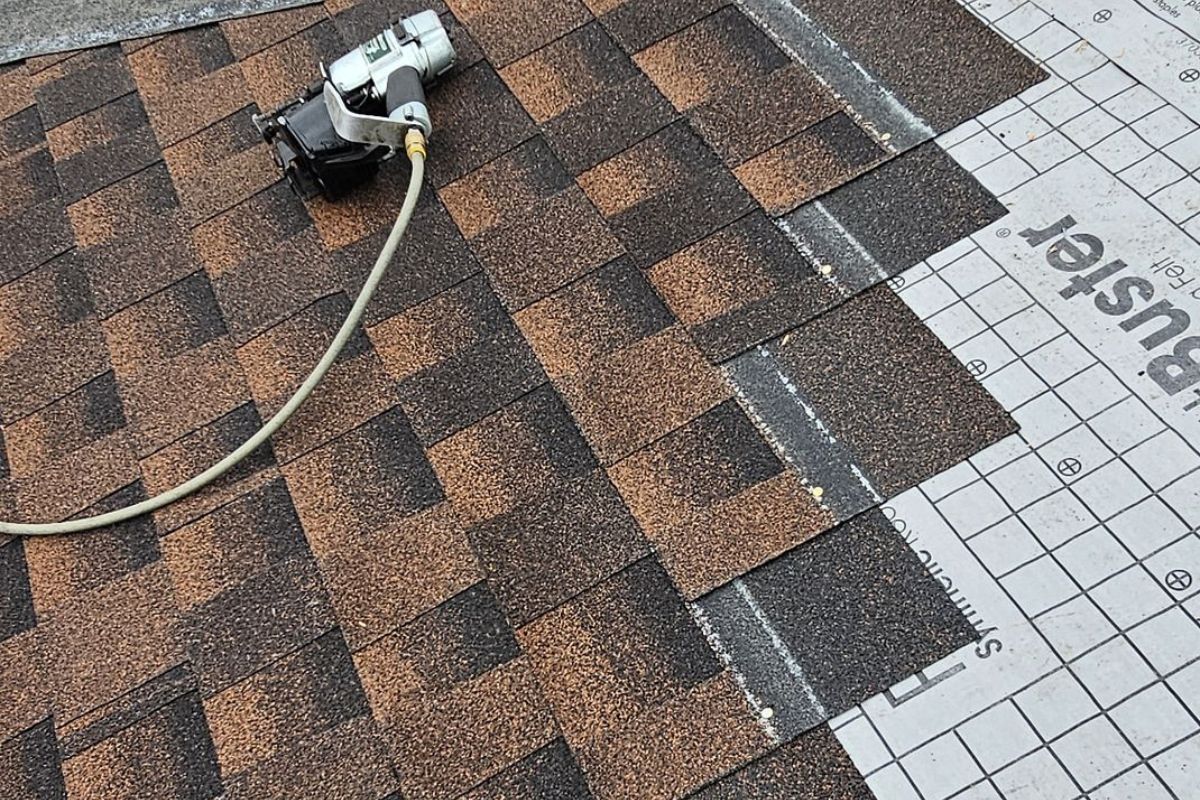
3. Pry Up Shingles and Nails
Use a roofing shovel or pry bar to lift shingles and pull out nails. Multiple layers significantly increase labor and difficulty.
If you’re estimating materials for replacement after tear-off, this guide on how to measure for roofing shingles can help.
4. Remove Flashing and Ridge Caps
Carefully remove metal flashing around chimneys, vents, and valleys. These areas often reveal the most damage.
5. Inspect the Decking
Once shingles are removed, inspect the wood decking for rot, sagging, mold, or water damage.
⚠️ Common Problems Found After Shingle Removal
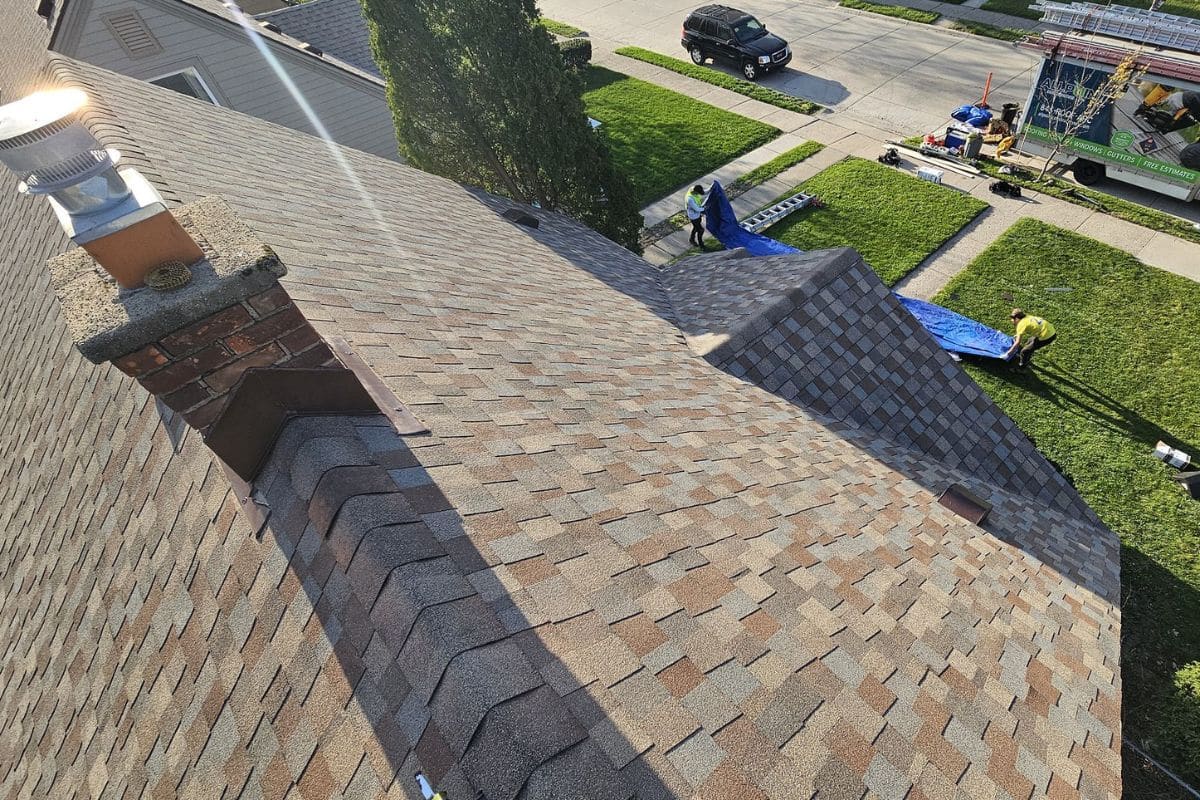
This is where many DIY projects stall.
Once shingles are removed, homeowners frequently discover:
- Rotted or soft roof decking
- Mold or moisture damage
- Improper ventilation (learn more about roof ventilation)
- Code violations from previous installs
- Hidden storm or hail damage (see storm damage repairs and hail damage repairs)
- Multiple illegal shingle layers
At this point, continuing without professional help can lead to:
- Failed inspections
- Voided warranties (related: things you should know about your roofing warranty)
- Insurance claim issues (learn how roof insurance claims work)
- Premature roof failure
Why Pros Inspect Before Tearing Off a Roof
Professional roofing contractors inspect before full removal to identify risks early.
A professional inspection typically includes:
- Decking integrity checks
- Ventilation assessment
- Structural evaluation
- Flashing and penetration review
- Code compliance verification
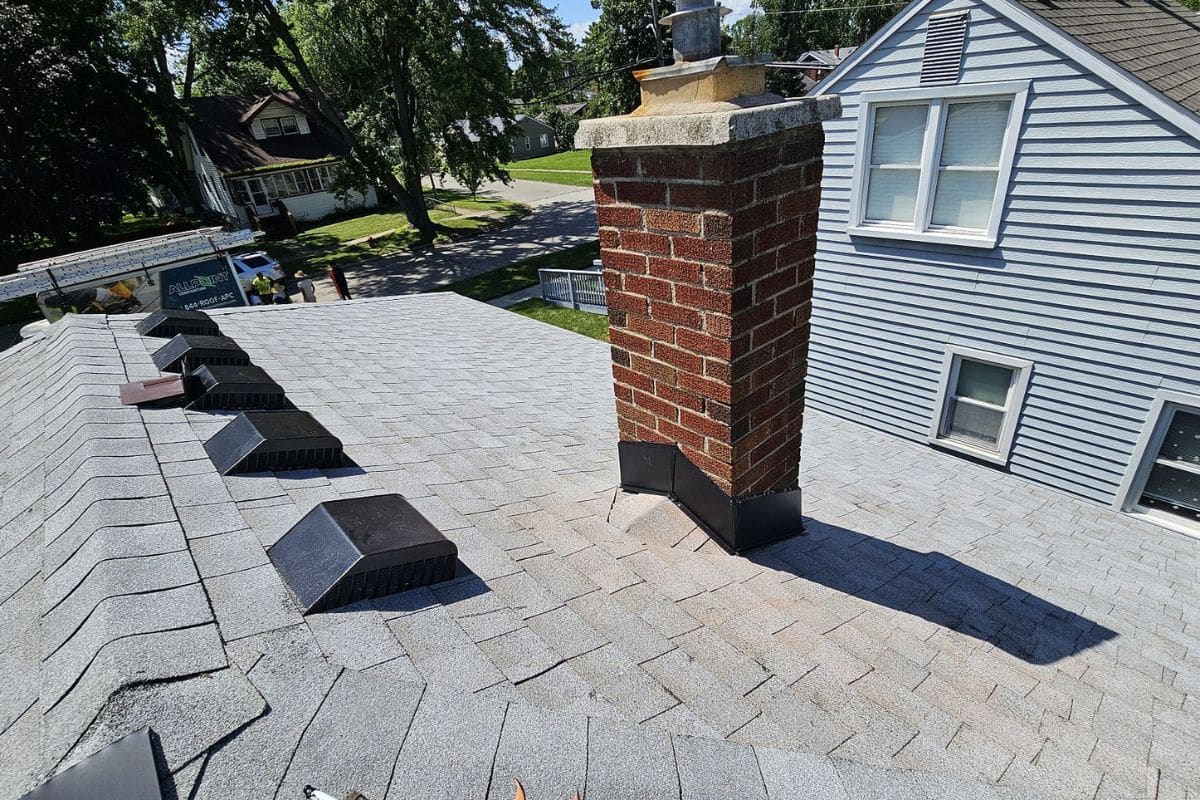
This prevents surprises that increase costs mid-project. If you’ve never had an inspection, here’s what happens during roof inspections.
⚠️ Before you start removing shingles:
Most roofs hide damage that isn’t visible from the surface.
AllPoint Construction offers free professional roof inspections across Metro Detroit — no obligation. If you already suspect major issues, you may be better served by a full roof replacement consultation instead of tearing into the project blindly.
When DIY Shingle Removal Makes Sense
DIY shingle removal may be reasonable if:
- The roof is low-slope and single-story
- There is only one layer of shingles
- Decking is confirmed solid
- Safety equipment is properly installed
- You’re prepared for debris disposal
Even in these cases, many homeowners still choose professional help after weighing time, risk, and cleanup.
When You Should Call a Professional Roofing Contractor
You should strongly consider professional removal if:
- Your roof has multiple shingle layers
- You notice leaks, sagging, or interior stains (related: expert roof leak repair in Michigan)
- The roof is steep or difficult to access
- The home is older or has unknown repair history
- Insurance or storm damage may be involved (start here: insurance repairs)
Professional removal ensures:
- Safe tear-off
- Proper disposal
- Code-compliant installation
- Warranty protection
- Accurate project timelines
If financing is part of your decision, review financing options and current promotions.
Final Thoughts: Removing Shingles Is Only Step One
Removing shingles is just the beginning of a successful roofing project. What lies underneath matters far more than the shingles themselves.
If you’re considering replacing your roof — whether DIY or professionally — a thorough inspection upfront can save thousands in unexpected repairs.
📞 Call (734) 407-7110
📍 Serving Downriver & Metro Detroit — see our service areas (including Allen Park and surrounding communities)
📅 Request a Free Roof Inspection Today via our Contact Us page