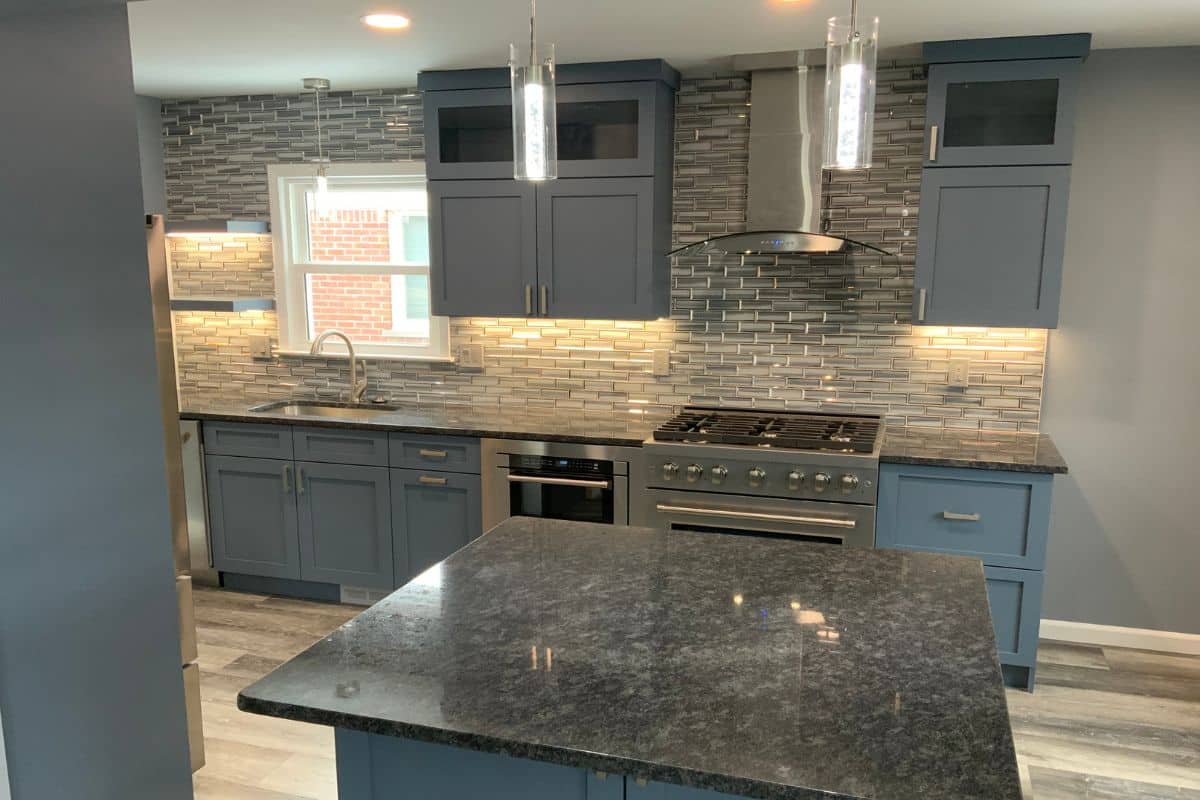
Kitchen remodel costs can swing wildly based on layout changes, materials, and what’s hiding behind the walls. Many homeowners start planning with finishes in mind — only to discover later that one major category quietly consumes the largest share of the budget.
Knowing what typically costs the most before you start allows you to plan smarter, avoid surprises, and make design decisions that actually align with your budget.
This guide breaks down the biggest cost drivers in a kitchen remodel and shows Michigan homeowners how to control costs without sacrificing quality or resale value. For a full overview of what AllPoint offers, start with our kitchen remodeling services.
The Short Answer: What Usually Costs the Most?
In most full kitchen remodels, cabinetry is the single most expensive line item.
Custom or semi-custom cabinets — especially when paired with layout changes — often account for 30–40% of the total project cost. That doesn’t mean they’re always the right place to spend the most — but they’re usually where budgets feel the biggest impact.
If you’re still in early planning mode, this kitchen remodeling checklist provides helpful context.
Top 5 Kitchen Remodel Cost Drivers (Ranked)
1️⃣ Cabinets (Often #1)
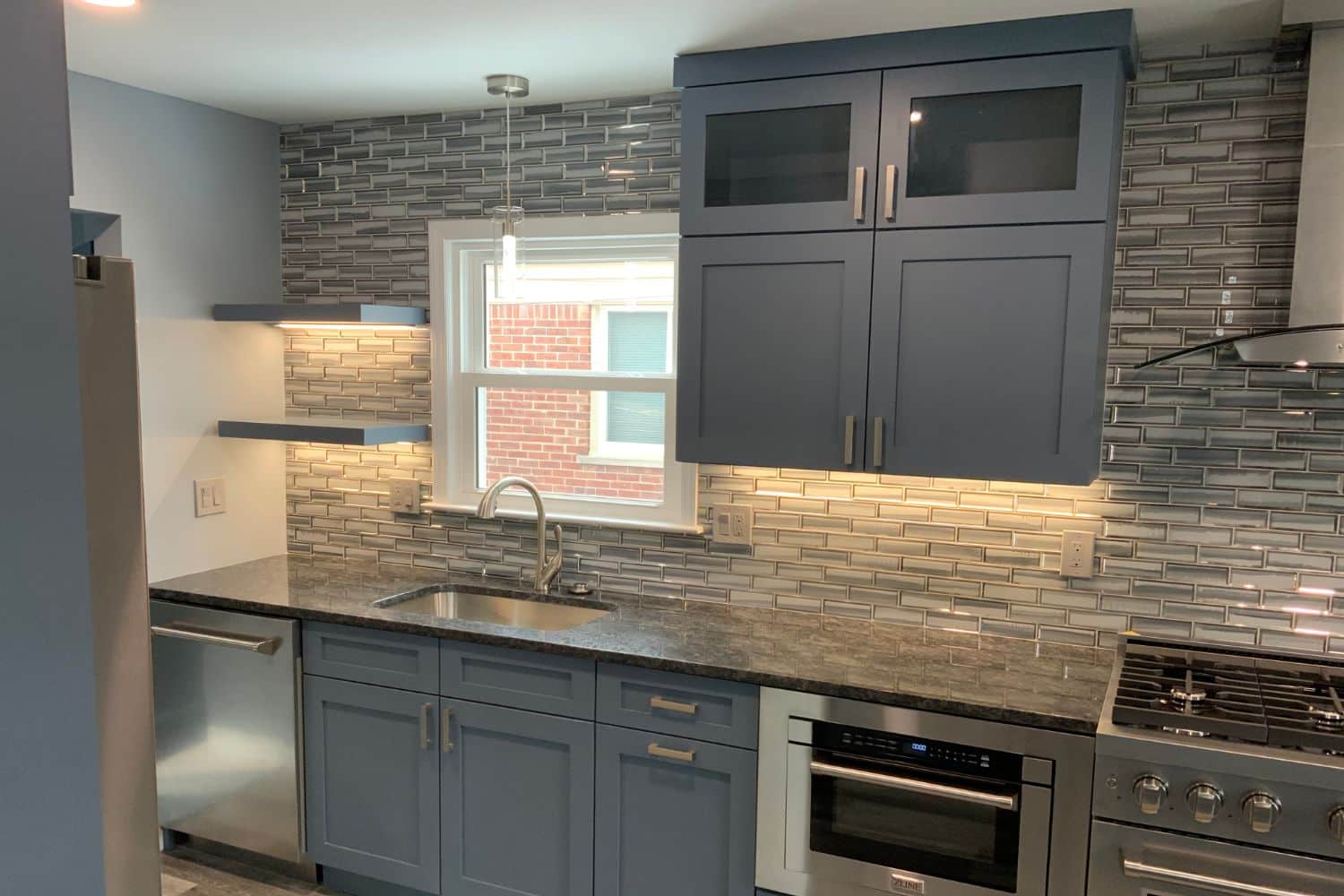
Cabinet costs vary based on:
- Custom vs semi-custom vs stock
- Wood species and finishes
- Soft-close hardware and storage upgrades
- Layout changes requiring new cabinet runs
Even modest cabinet upgrades can quickly add five figures to a project. If cabinetry is a priority, reviewing kitchen cabinet options and layouts can help guide decisions.
2️⃣ Labor & Trades
Labor costs increase when a remodel includes:
- Demolition
- Electrical or plumbing changes
- Structural modifications
- Permit requirements
Kitchens require coordination between multiple licensed trades, which adds complexity and cost — especially in older Michigan homes. This is why many homeowners choose to work with a full-service kitchen remodeling contractor rather than managing multiple vendors.
3️⃣ Layout Changes (Walls, Plumbing, Electrical)
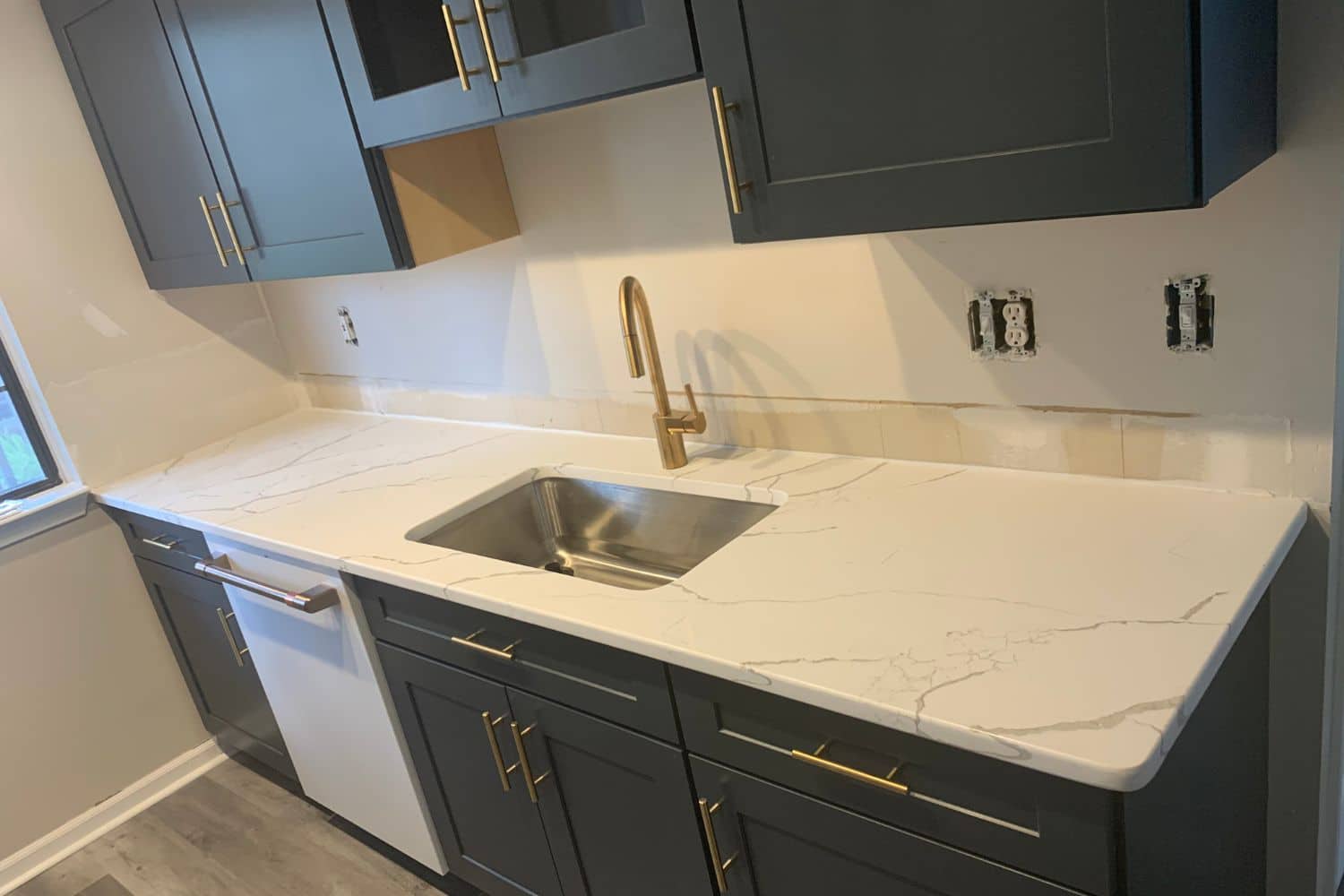
Changing the kitchen layout is one of the fastest ways to increase cost.
Examples include:
- Moving sinks, ranges, or refrigerators
- Removing or relocating walls
- Upgrading electrical panels or gas lines
While layout changes can dramatically improve function, they should be evaluated early. This article on kitchen workflow and layout planning adds useful insight:
4️⃣ Countertops
Countertops can range dramatically in price:
- Laminate: lower cost, limited lifespan
- Quartz & granite: mid-range, durable
- Marble or specialty stone: premium pricing
Edge profiles, thickness, and backsplash integration all affect final cost. Exploring kitchen countertop materials early helps prevent last-minute budget spikes.
5️⃣ Appliances
Appliance budgets vary widely depending on:
- Brand and finish
- Built-in vs freestanding
- Gas vs electric conversions
High-end appliance packages can rival cabinet costs in some remodels. If you’re weighing ROI, this post on kitchen upgrades that add value provides helpful perspective:
Layout Changes vs Cosmetic Updates: Cost Impact Comparison
Cosmetic Remodel (Lower Cost)
- Keep existing layout
- Replace cabinets, countertops, backsplash
- Update appliances and lighting
Best for homeowners wanting a fresh look without major construction.
Mid-Range Remodel
- Partial layout changes
- New cabinets and counters
- Select plumbing or electrical upgrades
Balances function and budget.
Full Gut Remodel (Highest Cost)
- Walls removed or added
- All new cabinets, appliances, finishes
- Electrical, plumbing, ventilation upgrades
Highest upfront cost — but often the biggest long-term value boost. Learn how this impacts resale in getting a good ROI on your kitchen remodel
(ROI principles apply similarly to kitchens).
Cost-Saving Swaps That Still Look High-End
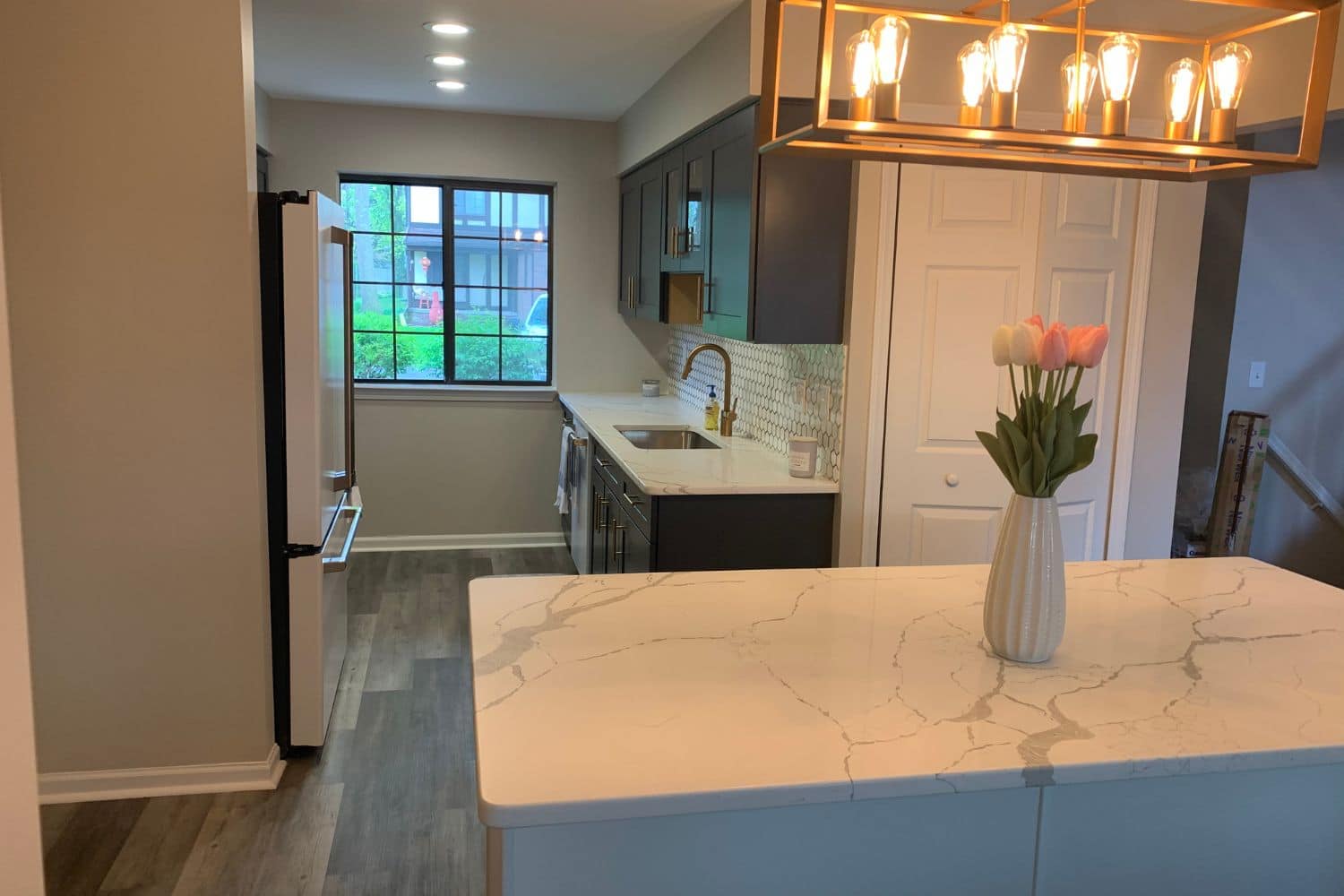
Smart substitutions can save thousands without sacrificing aesthetics:
- Semi-custom cabinets instead of full custom
- Quartz instead of marble
- Feature backsplash walls instead of full runs
- Reusing appliance locations
- Mixing open shelving with cabinetry
Thoughtful design decisions often matter more than raw material cost. For inspiration, explore luxury kitchen design ideas on a budget.
A Realistic Kitchen Remodel Budget Range (Michigan Homes)
While every home is different, typical ranges include:
- Cosmetic refresh: $20,000 – $35,000
- Mid-range remodel: $35,000 – $60,000
- Full gut remodel: $60,000 – $90,000+
Older homes, structural changes, or premium materials can push costs higher. This is why scope clarity upfront is critical.
Hidden Costs Homeowners Often Miss
Budget surprises usually come from:
- Outdated wiring or plumbing
- Subfloor or wall damage
- Ventilation upgrades
- Code compliance updates
- Permit requirements
These issues are common in older homes and often uncovered only after demolition. A professional assessment upfront prevents most surprises — learn what to expect in the kitchen remodeling process.
Why Planning the Scope Matters More Than Picking Finishes
Many budget overruns happen because:
- Scope isn’t clearly defined early
- Layout decisions are made late
- Structural issues aren’t evaluated upfront
A clearly defined scope aligned to your budget prevents last-minute compromises and change orders — and leads to a smoother remodel overall.
Thinking About a Kitchen Remodel?
A successful kitchen remodel isn’t about spending the most — it’s about spending intentionally.
AllPoint Construction helps Michigan homeowners:
- Define a realistic scope
- Prioritize cost drivers
- Balance function, style, and budget
- Receive clear, itemized estimates
So you can remodel with confidence — not guesswork.
📞 Call (734) 407-7110
📍 Serving Downriver & Metro Detroit — view our service areas (including Allen Park and nearby communities)
📅 Schedule Kitchen Remodel Consultation via our Contact Us page