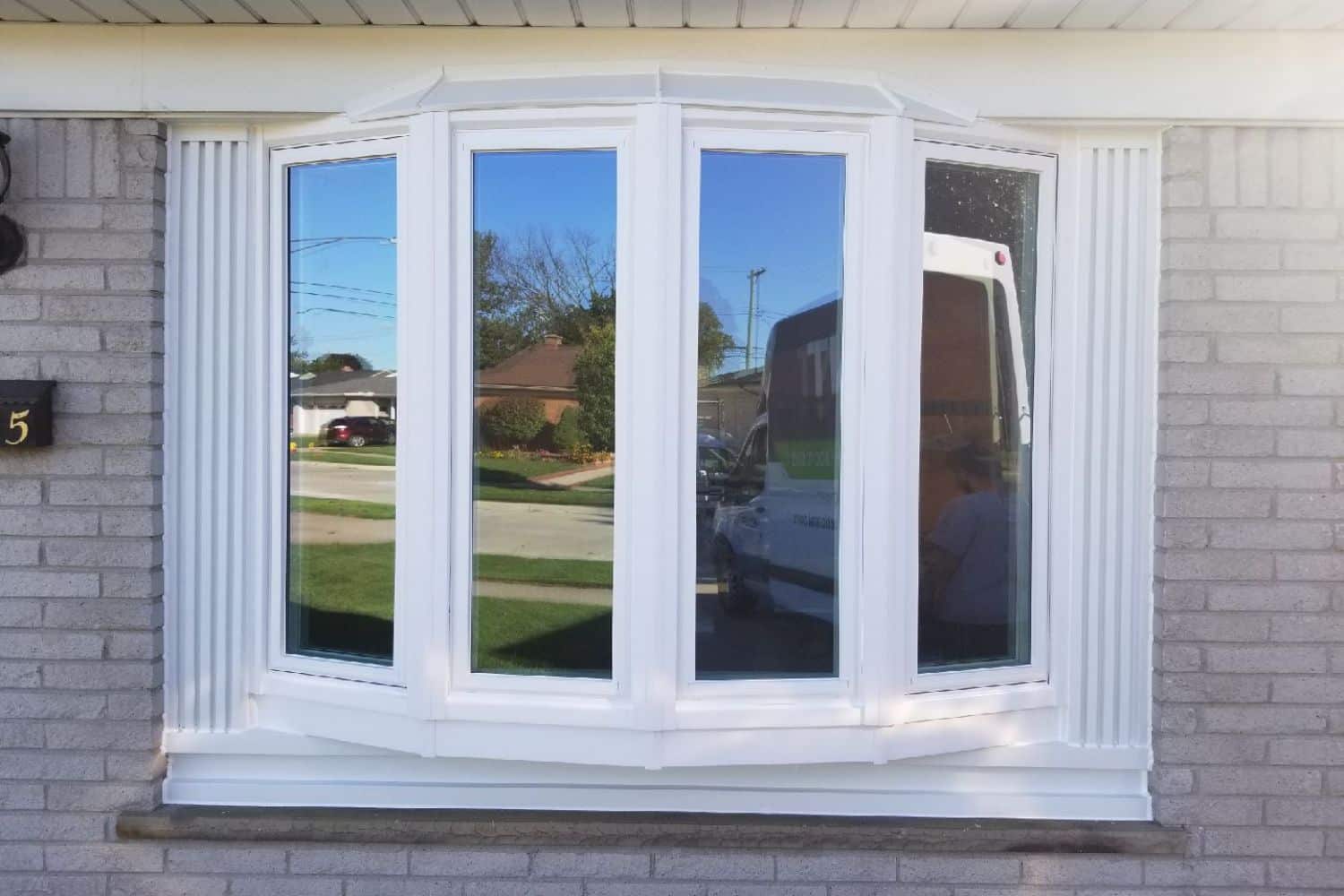
Cloudy or hazy double-pane windows usually mean moisture is trapped between the panes — and unfortunately, it’s often a sign the window seal has failed. While some cleaning methods can help when haze is on the surface, true “between-the-glass” fogging typically requires professional repair or window replacement.
In this guide, we’ll explain how to diagnose the cause of window haze, what repair options exist, and when it’s smarter to call a window professional instead of wasting time and money on temporary fixes. If you’re already comparing options, this guide on what to look for in a window replacement contractor is a helpful next step.
Is the Haze Inside or Outside the Glass?
Before trying to “fix” cloudy windows, it’s critical to identify where the haze actually is.
Surface Haze (Cleanable)
If the cloudiness:
- Wipes away with glass cleaner
- Appears on the interior or exterior surface
- Is caused by dirt, mineral deposits, or residue
Then the issue is cosmetic and can usually be cleaned with:
- Vinegar + water solution
- Non-abrasive glass cleaner
- Microfiber cloth
Between-the-Panes Haze (Seal Failure)
If the haze:
- Cannot be wiped away
- Appears foggy, milky, or streaked inside the glass unit
- Changes with temperature or humidity
Then the insulating seal has likely failed, allowing moisture to enter the space between panes. Once this happens, standard cleaning methods will not solve the problem — and you’ll typically be deciding between repair vs full replacement windows.
💡 Related reading: If you want the “why” behind glass performance, here’s a helpful breakdown on the difference between double- and triple-pane windows
Why Double-Pane Windows Get Hazy
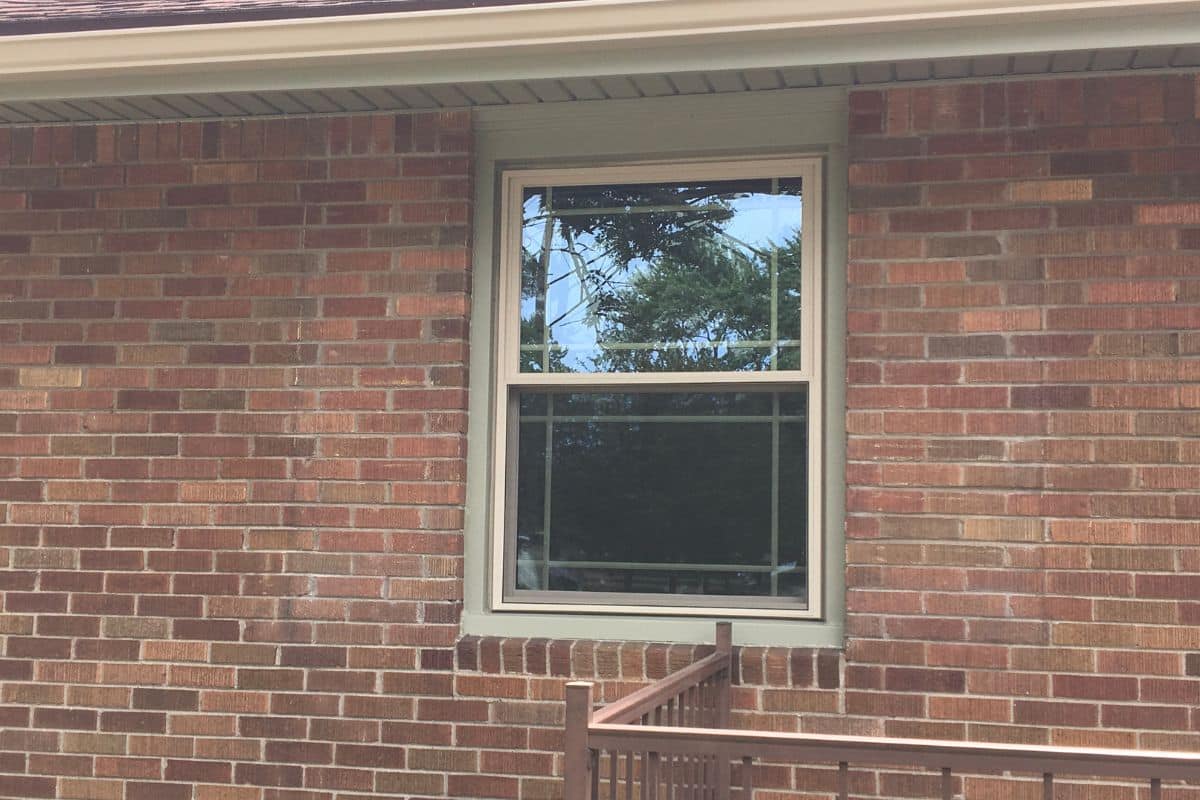
Most modern windows are insulated glass units (IGUs), meaning two panes of glass are sealed together with an air- or gas-filled space between them. That seal is what keeps moisture out — and heat in.
When the seal fails, outside air and humidity enter the unit, causing condensation, fogging, or permanent haze.
What Causes Window Seal Failure in Michigan?
Michigan’s climate is especially hard on window seals. Common causes include:
1) Freeze–Thaw Cycles
Constant expansion and contraction from temperature swings weakens seals over time.
2) Sun & UV Exposure
Prolonged sunlight breaks down sealants, especially on south- and west-facing windows.
3) Age
Most window seals last 10–20 years. Older windows are far more prone to failure. If you’re wondering what’s “normal” for timeline planning, see: how often you should replace windows.
4) Improper Installation
Poor flashing, uneven framing, or inadequate insulation can stress the glass unit — which is why choosing the right installer matters.
5) Structural Movement
Homes naturally settle over time, putting pressure on window frames and seals.
If you’ve delayed action because of common misconceptions, this quick read is worth it: window replacement myths debunked.
Can You Fix Foggy Double-Pane Windows?
That depends on how bad the seal failure is and how old the window is.
Below are the realistic options — and their limitations.
Repair Options: What Actually Works (and What Doesn’t)
❌ DIY Hacks (Temporary at Best)
Common “fixes” you’ll see online include:
- Drilling holes and venting moisture
- Using defogging sprays
- Applying sealants or films
These may reduce fog temporarily, but they:
- Do not restore insulation
- Do not fix the failed seal
- Often void warranties
- Usually fail within months
⚠️ Defogging Services
Some companies offer defogging, which removes moisture and applies anti-fog solutions.
Pros:
- Lower upfront cost
- Improves appearance temporarily
Cons:
- Insulation value is not restored
- Fog often returns
- Not a permanent repair
✅ IGU (Glass Unit) Replacement
Replacing just the insulated glass unit while keeping the existing frame.
This is often the best option when:
- Window frame is in good condition
- Seal failure is the only issue
- Window style is still manufactured
It restores clarity and insulation without a full replacement.
✅ Full Window Replacement
Replacement is often recommended when:
- Multiple windows are fogged
- Frames are rotting, warped, or drafty
- Windows are old or inefficient
- You want improved comfort and energy efficiency
Helpful reads if you’re comparing ROI:
How to Tell If Your Windows Are Warranty-Eligible
Many homeowners don’t realize their foggy windows may still be covered.
You may have warranty coverage if:
- Windows are under 20 years old
- Original manufacturer is still in business
- Failure is due to seal breakdown (not damage)
However, warranties often:
- Cover glass only (not labor)
- Require documentation or inspection
- Exclude improper installation
If you’re not sure what to check (or how to avoid getting sold), use this guide:
What to look for in a window replacement contractor
When Should You Call a Window Professional?
You should schedule an inspection if:
- Fogging is between the panes
- Multiple windows are affected
- Energy bills have increased
- Drafts or temperature differences are noticeable (see benefits here)
- You’re unsure whether repair or replacement makes more sense
Trying multiple DIY fixes usually delays the inevitable — and can increase long-term costs.
Final Thoughts: Clear Windows Start With the Right Diagnosis
Not all cloudy windows mean replacement — but most between-pane haze is a sign of seal failure that won’t fix itself.
Knowing where the haze is, why it happened, and what options make financial sense can save you from wasting money on short-term solutions.
If your windows are fogging between panes, the seal may be failing.
AllPoint Construction can inspect your windows and recommend the most cost-effective fix — whether that’s repair or full replacement.
📌 Want to spread payments out? See Financing options
📞 Call (734) 407-7110
📍 Serving Downriver & Metro Detroit — view our service areas (including Allen Park and nearby communities)
📅 Schedule your inspection through our Contact Us page