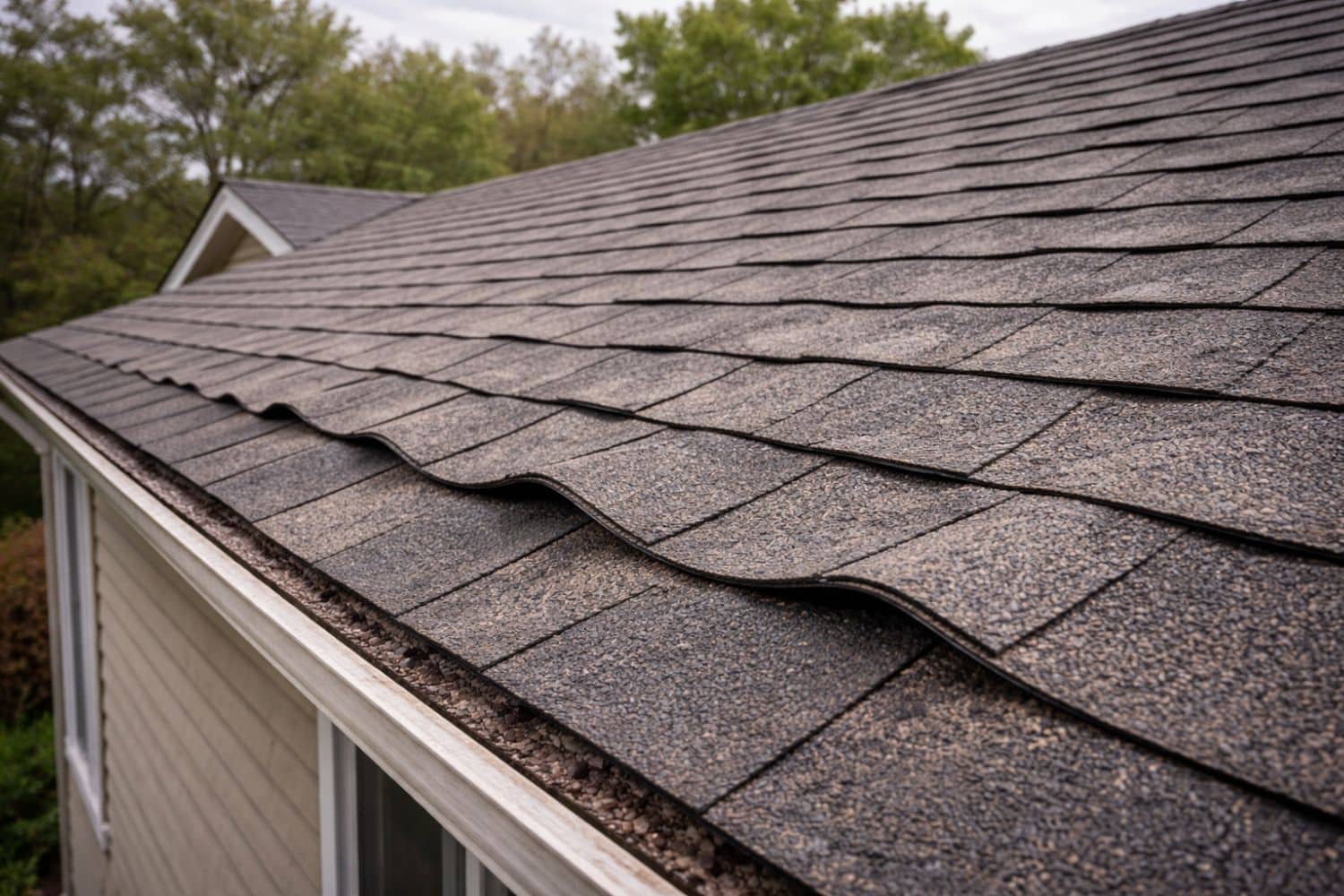
A “wavy” roof after installation can be normal for a short period — but it can also signal deeper issues such as decking problems, installation shortcuts, or ventilation and moisture concerns that may lead to early roof failure.
This guide explains why new roofs sometimes look uneven, how long waviness should last, and when it’s time to call a professional roofing contractor for a closer inspection. For a full overview of proper roof installation and system checks, visit our roofing services hub.
Is It Normal for a New Roof to Look Wavy?
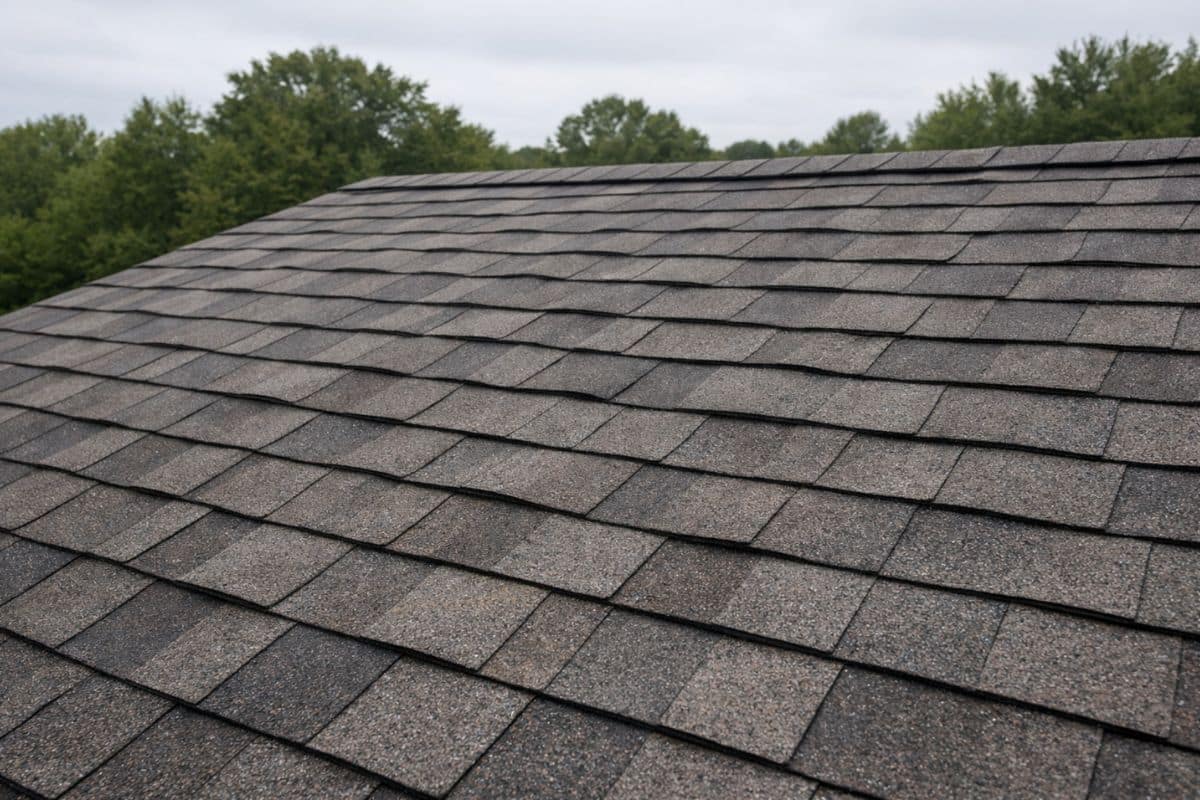
In many cases, temporary waviness is normal, especially right after installation.
New asphalt shingles are packaged tightly in bundles. Once installed, they need time, heat, and sunlight to relax and conform to the roof surface.
Common temporary causes include:
- Shingles settling after installation
- Cooler installation temperatures
- Minor unevenness in older decking
In these cases, the roof often smooths out naturally within a few weeks. If your roof was installed during colder weather, this article on winter roofing conditions provides helpful context.
How Long Until Shingles Lay Flat?
Most new asphalt shingles flatten out within:
- 1–3 weeks in warm weather
- Several weeks to a couple of months in cooler Michigan temperatures
Sun exposure helps activate the adhesive strips and soften the shingles, allowing them to lay flat.
If waviness is:
- Gradually improving → usually normal
- Getting worse or staying the same after several months → worth investigating
If the roof was recently replaced, it may also help to understand how long a roof replacement typically takes and what post-installation settling looks like.
When Waviness Is a Red Flag
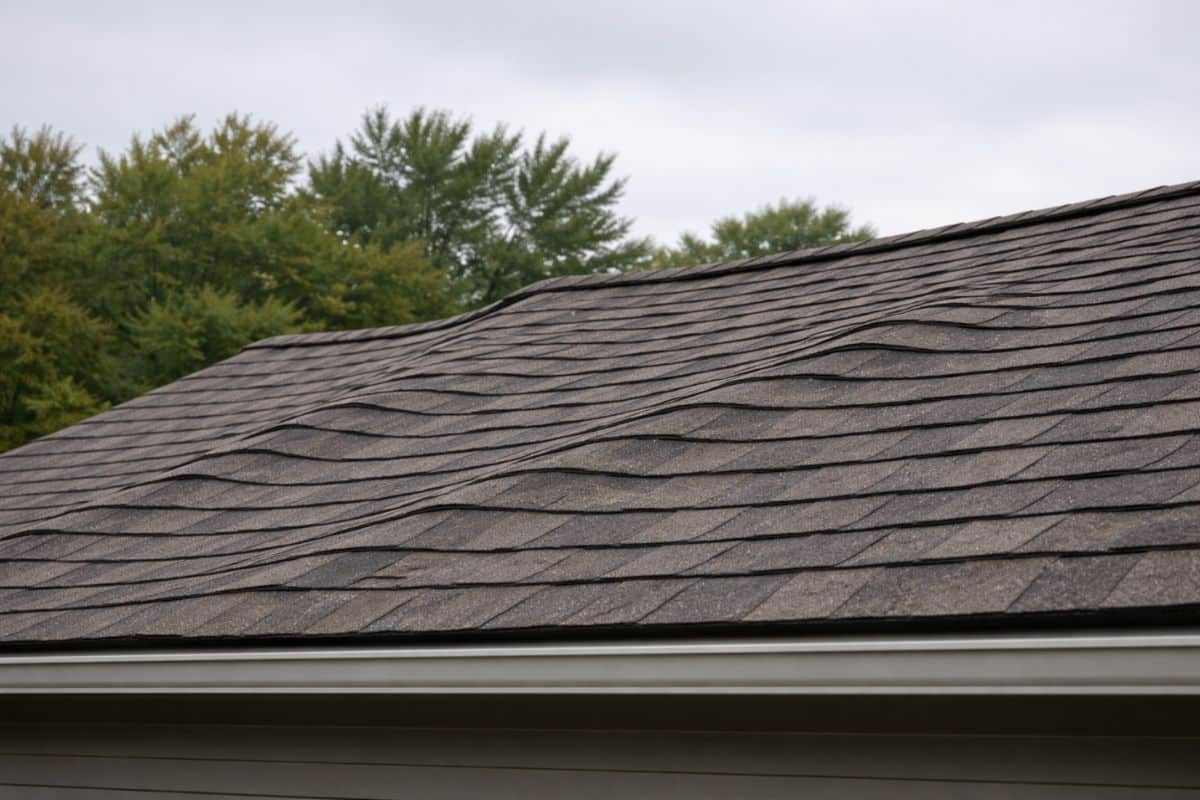
Persistent or severe waviness is not normal and may indicate underlying problems.
You should be concerned if:
- Waves are sharp or irregular
- Roof lines look uneven from multiple angles
- Waviness appears suddenly after storms
- Interior ceilings show cracks or stains
These signs often point to structural or installation-related issues rather than simple shingle settling. If storms were involved, review storm damage roof signs that are easy to miss.
Decking Problems That Cause Wavy Rooflines
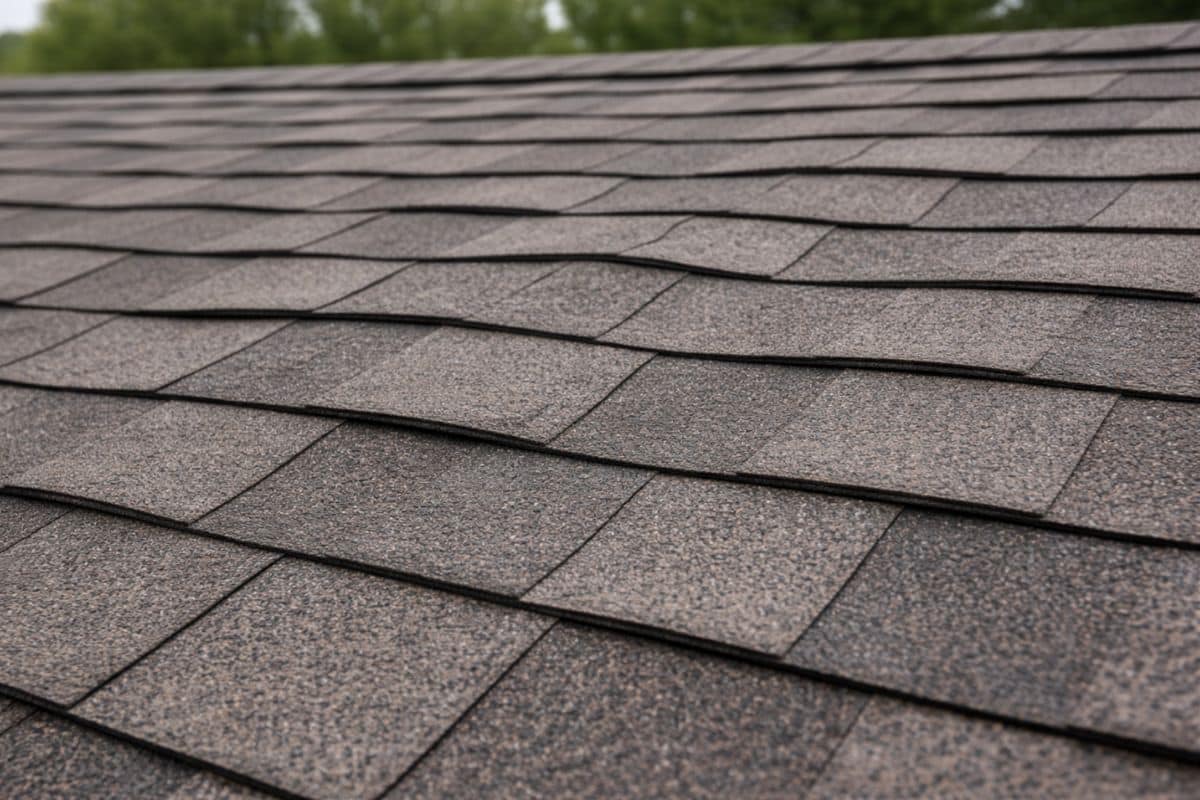
One of the most common causes of a wavy roof is uneven or damaged decking beneath the shingles.
Decking issues may include:
- Warped or delaminated OSB
- Rotted plywood from past leaks
- Sagging rafters or trusses
- Thin or outdated decking materials
- Old decking not replaced during tear-off
When new shingles are installed over compromised decking, they simply follow the uneven surface — making the problem visible.
To better understand what roofers look for beneath shingles, see roof sheathing thickness and decking standards.
Installation Issues That Can Cause Waviness
In some cases, waviness is caused by installation shortcuts, such as:
- Failing to replace damaged decking
- Installing shingles over uneven substrates
- Improper fastening or nailing patterns
- Skipping underlayment or using the wrong type
- Rushing installation in cold conditions
Fastening mistakes are especially common — learn how nail placement affects roof performance in how many roofing nails per square.
Ventilation & Moisture Issues That Affect Roof Appearance
Poor attic ventilation can also contribute to a wavy-looking roof.
Trapped heat and moisture can:
- Cause decking to swell or warp
- Prevent shingles from sealing properly
- Lead to premature shingle aging
- Create uneven expansion and contraction
Ventilation problems often go unnoticed until visible signs — like waviness — appear. For deeper insight, review why proper roofing ventilation is so important.
When Waviness Affects Water-Shedding & Warranty Coverage
This is where waviness becomes more than cosmetic.
Severe or uneven rooflines can:
- Prevent proper water runoff
- Create low spots where water pools
- Increase the risk of leaks
- Lead to ice dam formation in winter
From a warranty standpoint:
- Manufacturers may deny claims if decking wasn’t properly prepared
- Improper installation can void coverage
- Insurance companies may flag the roof as defective
For more on how installation quality impacts coverage, see things you should know about your roofing warranty.
Normal vs Concerning Roof Waviness (Visual Comparison)
If you have photos, compare:
- Normal: gentle, uniform waves that improve over time
- Concerning: sharp dips, uneven ridges, visible sagging
Photos taken at different times of day can help reveal whether the issue is settling or structural. If water intrusion is suspected, this guide on expert roof leak repair in Michigan is useful.
When Should You Call a Roofing Contractor?
You should schedule an inspection if:
- Waviness hasn’t improved after a few months
- The roof looks uneven from multiple angles
- You notice interior cracks, leaks, or stains
- The home is older or had prior roof damage
- You want confirmation that the install meets warranty standards
If you’re unsure what an inspection involves, here’s what happens during roof inspections.
Final Thoughts: Not All Wavy Roofs Are Bad — But Some Are
A slightly uneven look shortly after installation is often harmless. But persistent or worsening waviness usually means something underneath needs attention.
Knowing the difference can protect your roof, your warranty, and your investment.
Not sure if your roof’s waviness is normal?
AllPoint Construction can inspect the installation, decking, and ventilation — and give you a straight, honest answer.
📞 Call (734) 407-7110
📍 Serving Downriver & Metro Detroit — view our service areas (including Allen Park and nearby communities)
📅 Schedule your Free Roof Inspection via our Contact Us page