Michigan wind isn’t gentle.
Between spring storms, lake-effect systems, and sudden gust fronts that roll through Downriver and Metro Detroit, wind damage is one of the most common reasons homeowners need roof repairs or full replacements.
If you’ve ever seen shingles in your yard after a storm, you’ve experienced what happens when a roof system isn’t built to handle real wind loads.
This guide explains:
- What makes a roof wind-resistant
- Why some shingles fail while others hold
- Michigan wind rating standards
- How installation impacts wind performance
- When upgrading makes financial sense
If your roof has experienced recent wind damage, schedule an inspection here:
👉 https://allpointconstructionmi.com/contact-us/
Why Wind Is So Hard on Michigan Roofs
Wind doesn’t just “blow across” your roof.
It creates:
- Uplift pressure at edges and ridges
- Suction forces on shingle tabs
- Turbulence at valleys and chimneys
- Pressure imbalance from poor ventilation
High winds exploit weak fastening, aging adhesive strips, and improper nailing patterns.
That’s why wind damage is often a workmanship issue — not just a weather issue.
Related reading:
https://allpointconstructionmi.com/factors-that-increase-your-roofs-wind-damage-vulnerability/
https://allpointconstructionmi.com/the-causes-of-and-fixes-for-shingle-blow-off/
What Makes a Roof Wind-Resistant?
Wind resistance comes from a system, not just a shingle.
Key components:
1️⃣ Wind-Rated Shingles
Architectural shingles often carry ratings of:
- 110 mph standard
- 130 mph enhanced warranty (with proper install)
The rating depends on:
- Adhesive strip strength
- Weight and thickness
- Manufacturer testing standards
More on shingle types:
https://allpointconstructionmi.com/why-asphalt-shingles-remain-the-most-popular/
2️⃣ Proper Nailing Pattern
Improper nail placement is one of the biggest causes of blow-off.
Correct nailing requires:
- Nails in manufacturer-designated zones
- Proper depth (not under- or over-driven)
- Increased nail count in high-wind zones
Nail count guide:
https://allpointconstructionmi.com/many-roofing-nails-per-square/
3️⃣ Sealed Starter Strips & Ridge Caps
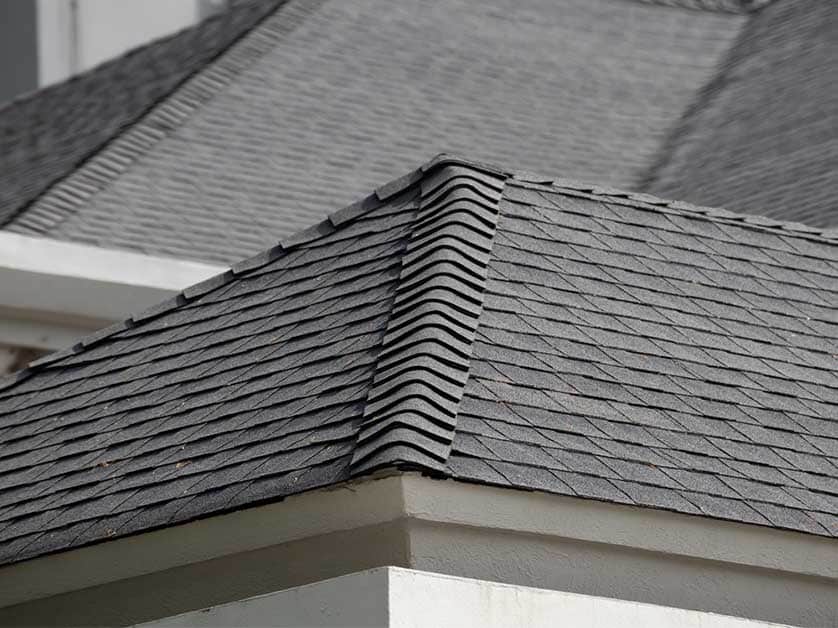
Edges and ridges are where wind first attacks.
Starter strips:
- Prevent edge lift
- Seal first row of shingles
- Reinforce eaves
Ridge caps:
- Must be properly fastened
- Often fail first in high winds
4️⃣ Strong Decking & Underlayment
If the decking is weak or deteriorated, shingles won’t hold long-term.
Decking guide:
https://allpointconstructionmi.com/roofing-sheathing-thickness/
A wind-resistant roof must be fastened into solid decking — not soft or compromised wood.
5️⃣ Balanced Ventilation
Poor ventilation can cause:
- Adhesive strip failure
- Thermal expansion
- Premature aging
Ventilation resource:
https://allpointconstructionmi.com/why-proper-roofing-ventilation-is-so-important/
Michigan Wind Ratings: What Do They Mean?
Most residential asphalt shingles are rated:
| Wind Rating | Typical Application |
|---|---|
| 60–90 mph | Basic 3-tab shingles |
| 110 mph | Standard architectural shingles |
| 130 mph | Enhanced wind warranty systems |
⚠️ Important: The higher rating only applies if installed exactly to manufacturer specs.
If nails are misaligned or starter strips are skipped, that rating becomes meaningless.
Signs Your Roof Isn’t Wind-Resistant
After storms, check for:
- Missing or lifted shingles
- Creased shingle tabs
- Granule loss at edges
- Loose ridge caps
- Exposed underlayment
Storm damage guide:
https://allpointconstructionmi.com/roof-storm-damage-and-its-easy-to-miss-signs/
Wind Damage Repair Costs in Michigan
Wind-related repairs typically cost:
| Issue | Typical Cost Range |
|---|---|
| Isolated blow-off repair | $250 – $900 |
| Ridge cap repair | $300 – $1,200 |
| Widespread wind damage | $1,500 – $6,000 |
| Full replacement (storm-driven) | $8,500 – $18,000+ |
Insurance may cover wind damage if:
- It was storm-related
- Damage was sudden
- The roof wasn’t already deteriorated
Insurance guide:
https://allpointconstructionmi.com/does-home-owners-insurance-cover-roof-leaks/
Should You Upgrade to a Wind-Resistant Roof?
It makes sense if:
- Your roof is 15–20+ years old
- You’ve had repeated blow-offs
- You live in exposed or open areas
- You’re replacing anyway
- You want stronger warranty protection
Replacement planning guide:
https://allpointconstructionmi.com/roofing-replacement-cost-estimates/
Sometimes adding a few upgraded components during replacement dramatically improves wind performance.
Repair vs Replace: Wind Damage Decision
If damage is:
- Localized → Repair likely sufficient
- Repeated → Installation issue or aging system
- Widespread → Replacement may be more cost-effective
Decision guide:
https://allpointconstructionmi.com/repairs-or-replacements-how-to-tell-what-your-roof-needs/
Protect Your Home Before the Next Michigan Storm
Michigan wind doesn’t give warnings — and the first storm after winter is often the worst.
If your roof has experienced wind damage, or if you’re unsure whether it’s properly secured:
👉 Schedule a free inspection:
https://allpointconstructionmi.com/contact-us/
Roofing services: https://allpointconstructionmi.com/services/roofing/
Frequently Asked Questions
What wind speed can architectural shingles withstand?
Most architectural shingles are rated for 110–130 mph — but only when installed to manufacturer specifications.
Are 3-tab shingles wind resistant?
They are less wind resistant than architectural shingles and more prone to blow-off in Michigan storms.
Does insurance cover wind damage?
Yes, if the damage is storm-related and not caused by wear and tear.
How do I know if my roof was installed correctly?
Signs of improper installation include repeated blow-offs, uneven nailing, or missing starter strips. An inspection can confirm.