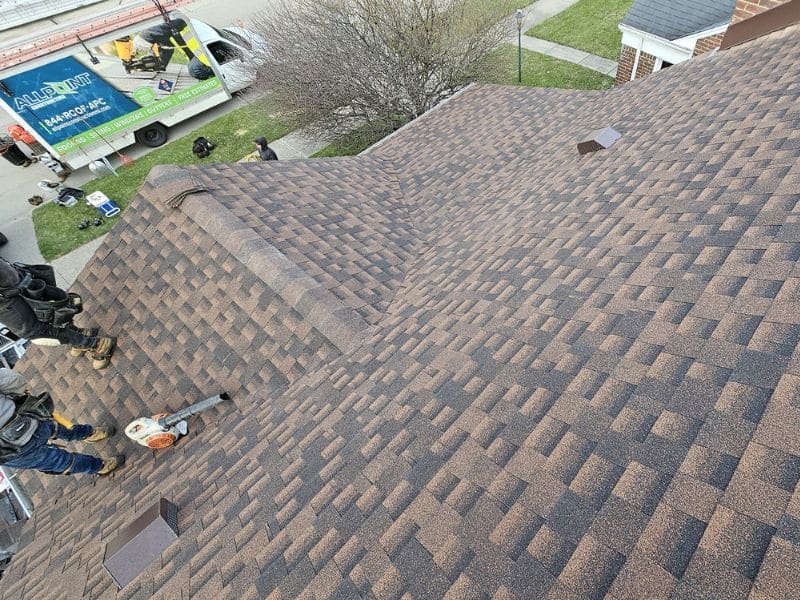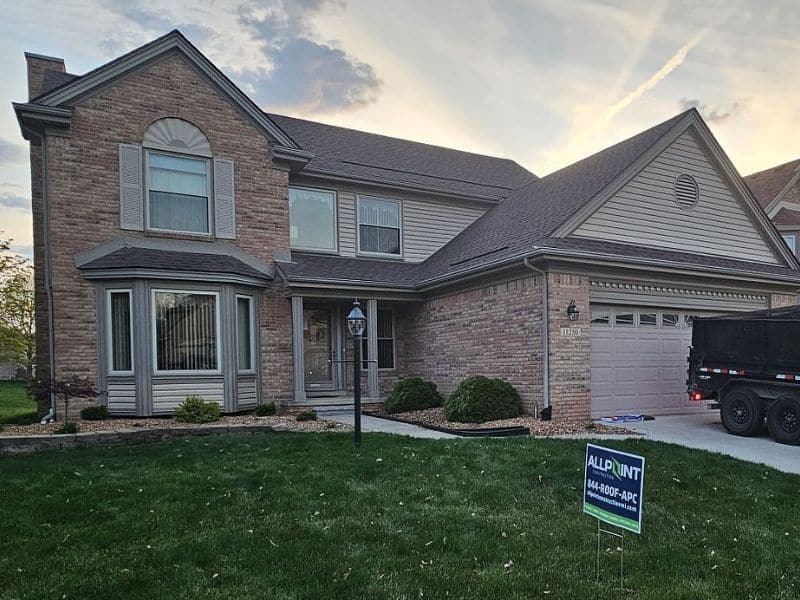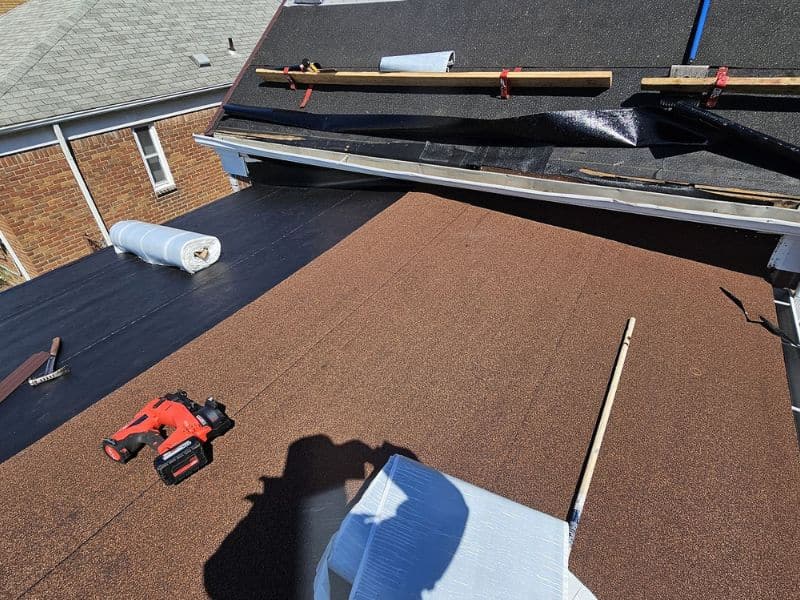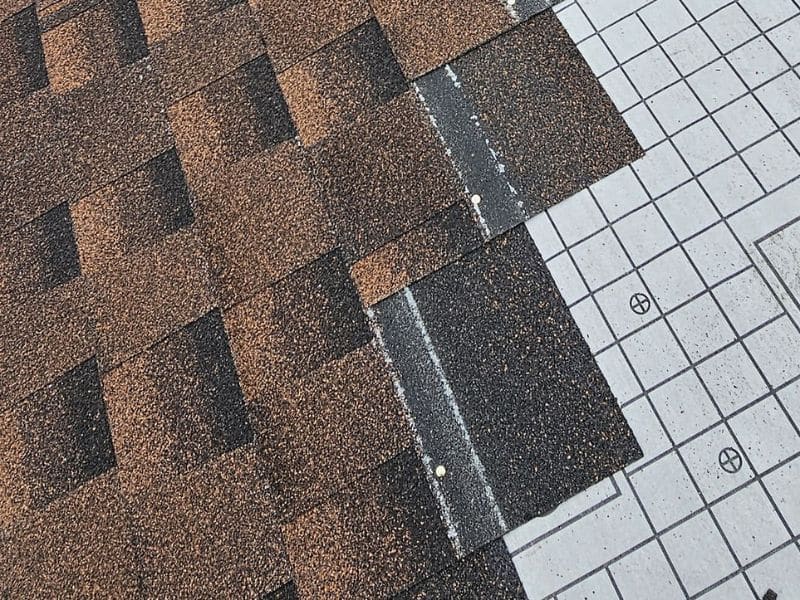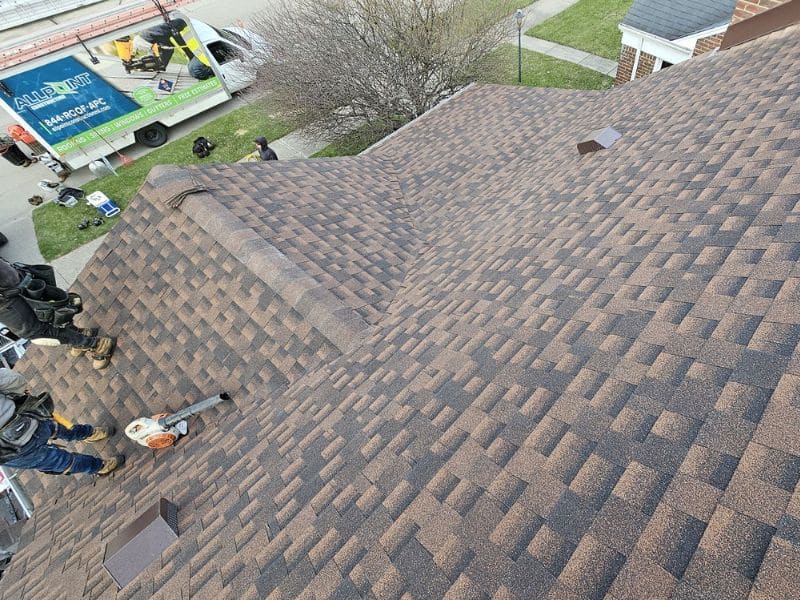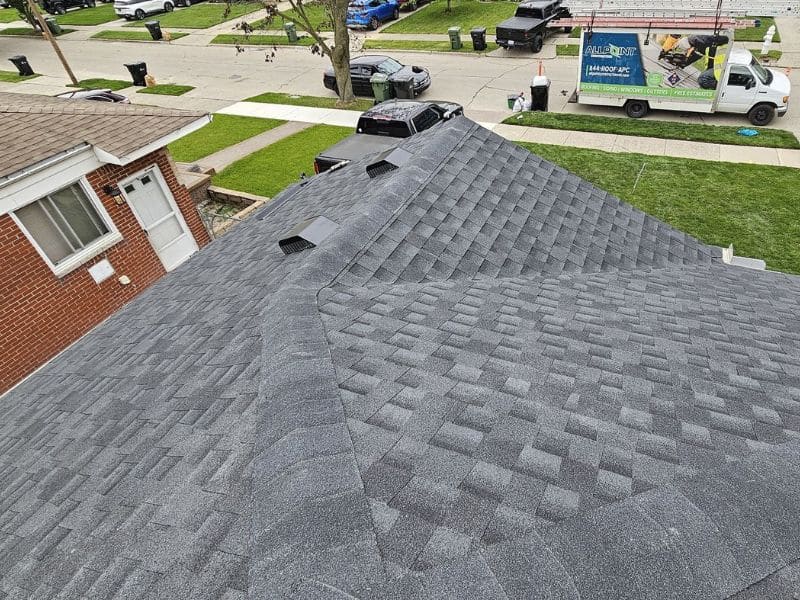

In Michigan, a roof doesn’t just “wear out” from the outside.

A huge percentage of roofing problems start from the inside — in the attic.

When attic ventilation is off (or nonexistent), your roof system gets hit from both directions:

  • Winter: warm attic air melts snow → refreezes at the eaves → ice dams + leaks
  • Summer: trapped heat cooks shingles → premature aging, curling, blistering
  • Year-round: moisture builds up → mold risk, wet insulation, decking damage

This guide breaks down why proper roofing ventilation matters, what symptoms to watch for, what you can safely check yourself, and when it’s time to have a pro inspect the full roof system.

If you’re seeing signs of moisture, ice dams, or shingle aging, schedule a free inspection:
👉 https://allpointconstructionmi.com/contact-us/

What Does Proper Roof Ventilation Actually Do?

A properly ventilated attic helps:

✅ Keep your attic close to outdoor temperature
✅ Reduce moisture buildup (condensation)
✅ Prevent ice dam formation conditions
✅ Extend shingle lifespan
✅ Reduce chances of hidden decking rot
✅ Improve comfort + reduce HVAC strain

Ventilation is not “one vent.” It’s a balanced system:

  • Intake (usually soffit vents)
  • Exhaust (ridge vents / box vents / powered options)

1) Michigan Winters: Ventilation Helps Prevent Ice Dams + Leak Cycles

Ice dams happen when attic heat melts roof snow, which refreezes at the colder roof edge.

Once water backs up under shingles, you can get “mystery leaks” that appear:

  • during thaw/refreeze cycles
  • after heavy snow
  • near exterior walls, soffits, or upper ceilings

If you’re dealing with winter leaks:
👉 https://allpointconstructionmi.com/winter-roof-leaks-what-usually-causes-them/

Winter ventilation breakdown:
👉 https://allpointconstructionmi.com/achieving-proper-attic-ventilation-during-winter/

Ice dam removal methods (pros/cons):
👉 https://allpointconstructionmi.com/pros-and-cons-different-ice-dam-removal-methods/

2) Michigan Summers: Trapped Heat Shortens Roof Life

In summer, attic temps can spike high enough to:

  • bake shingles from below
  • dry out and weaken shingle components
  • accelerate blistering, cracking, and curling

If you’re seeing curling or cracking shingles:
👉 https://allpointconstructionmi.com/why-is-my-roof-curling-or-cracking/

And for summer roof heat strategies:
👉 https://allpointconstructionmi.com/7-effective-methods-for-keeping-your-roof-cool-this-summer/

3) Moisture Is the Silent Killer (Decking Damage + Mold Risk)

Poor ventilation doesn’t just trap heat — it traps moisture.

That moisture can lead to:

  • damp insulation (reduced R-value = higher bills)
  • condensation on rafters
  • mold risk
  • delaminated / rotting roof decking

Decking issues often stay hidden until they become expensive.

Decking thickness + what it means:
👉 https://allpointconstructionmi.com/roofing-sheathing-thickness/

If you’re seeing waviness after a new roof (often tied to decking/moisture variables):
👉 https://allpointconstructionmi.com/why-does-my-new-roof-look-wavy/

4) Signs Your Attic Ventilation Might Be a Problem

You don’t need to climb on the roof to spot early warning signs.

Common symptoms Michigan homeowners notice:

  • Ice dams or large icicles every winter
  • Roof leaks only during thaw/refreeze
  • Shingles curling, blistering, cracking
  • Excessive attic heat in summer
  • Musty smell in attic / upper floors
  • Mold or staining near roof decking
  • Frost buildup on nails or sheathing in winter
  • High energy bills and uneven temperatures

Want a pro to confirm the actual cause (not guesswork)?
👉 https://allpointconstructionmi.com/contact-us/

5) What “Proper Ventilation” Looks Like (Simple Explanation)

Ventilation works when intake + exhaust are balanced.

In most homes:

  • Intake: soffit vents bring in cool air
  • Exhaust: ridge vent (or properly placed roof vents) releases hot/moist air

When one side is missing, the system fails.

Examples:

  • Ridge vent installed, but soffits blocked → exhaust can’t work
  • Too much exhaust, not enough intake → pulls conditioned air from the home
  • Random roof vents installed without balance → hot spots + moisture pockets remain

For quick, practical ventilation improvements:
👉 https://allpointconstructionmi.com/top-3-ventilation-tips-for-a-healthier-home/

What Do Ventilation Upgrades Cost in Michigan?

Attic ventilation upgrades in Michigan typically cost $800–$2,500, depending on:

  • attic size/layout
  • existing intake/exhaust setup
  • whether soffits are blocked
  • whether moisture has already damaged insulation or decking
  • whether ridge vent work or vent conversions are needed

If moisture has already damaged decking, costs can increase due to repair needs.

👉 Get an inspection-based plan (and avoid band-aid fixes):
https://allpointconstructionmi.com/contact-us/

6) Ventilation vs Roof Replacement: When It’s the Real Fix (And When It’s Too Late)

Ventilation upgrades are one of the best “roof life extension” moves…

…but if the shingles are already failing, ventilation won’t reverse it.

If your roof is showing multiple symptoms (leaks + curling + aging + blow-offs), it may be nearing replacement territory:

Signs you may need a new roof:
👉 https://allpointconstructionmi.com/signs-you-need-a-new-roof/

Repair vs replace decision:
👉 https://allpointconstructionmi.com/repairs-or-replacements-how-to-tell-what-your-roof-needs/

Roof replacement cost context:
👉 https://allpointconstructionmi.com/roofing-replacement-cost-estimates/

If your roof is aging faster than expected, you’re seeing winter leak patterns, or you’re getting ice dams every year, ventilation is one of the first things to check — because it affects the entire roof system.

📞 Call (734) 407-7110
📍 Serving Downriver & Metro Detroit — view our service areas (including Allen Park  and nearby communities)
📅 Schedule your Free Roof Inspection via our Contact Us page

FAQ: Roofing Ventilation in Michigan

Does ventilation really prevent ice dams?
Ventilation helps reduce the attic heat that creates melt/refreeze conditions. It’s often a major piece of prevention (along with insulation and sealing), especially in Michigan winters.
👉 https://allpointconstructionmi.com/achieving-proper-attic-ventilation-during-winter/

Can poor ventilation cause roof leaks?
Yes — indirectly. Poor ventilation contributes to ice dams, moisture buildup, and decking damage that can lead to leaks or worsen small issues.

How do I know if my ventilation is “balanced”?
A professional inspection can quickly identify whether intake/exhaust are working together and whether soffits are blocked.
👉 https://allpointconstructionmi.com/contact-us/